Cabin & Comfort
WinnerRidgeline RTL
A more comfortable, upscale place to spend your drive, supported by leather seats.
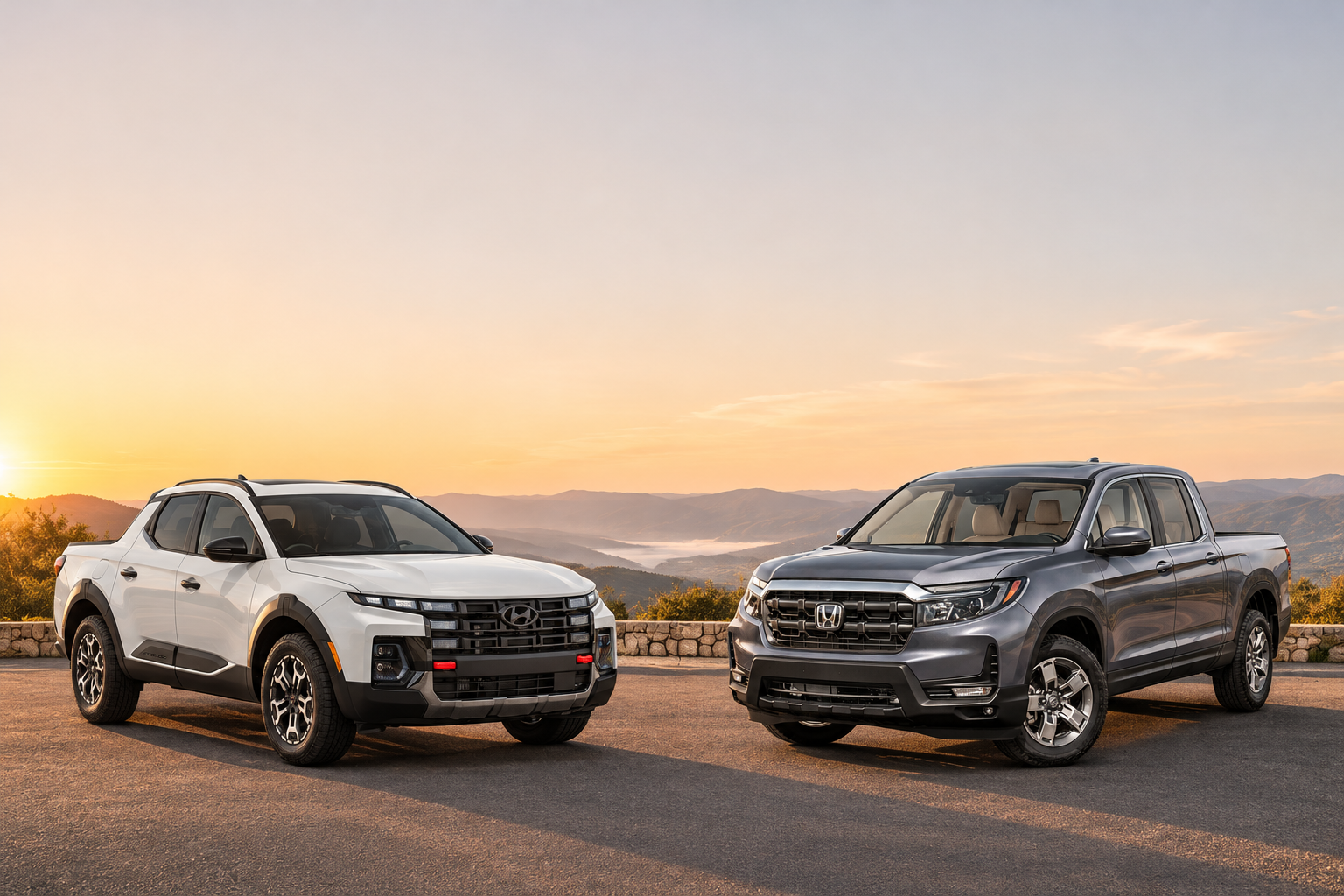
Before you compare
XRT vs RTL, compared on verified specifications and price.
The XRT and RTL are closely matched on price: $42,775 vs $43,595.
Because these two trims sit at different points in their lineups, the category winners below reflect trim level as much as brand. Read them as evidence, and weigh them against the equipment you will actually use.
At a glance
If you're shopping the Santa Cruz, the Santa Cruz XRT is the fit this site recommends — the two are closely matched on fuel economy, price & value and performance; the Ridgeline RTL leads on cabin & comfort and cargo & daily use, so choose it if those matter most.
Close call — closely matched on price: $42,775 vs $43,595.
Close call — closely matched on power: 281 hp vs 280 hp.
Close call — closely matched on efficiency: 20 mpg vs 21 mpg combined.
Head to head
The verified differences most likely to decide it — each shown side by side, with the winner called out.
A more comfortable, upscale place to spend your drive, supported by leather seats.
Closely matched: 20 mpg vs 21 mpg.
Closely matched: $42,775 vs $43,595.
The Ridgeline RTL makes everyday hauling and road trips easier with more cargo room.
Closely matched: 281 hp vs 280 hp.
The XRT and RTL are closely matched on price: $42,775 vs $43,595.
On verified numbers, the XRT leads in torque. What the numbers actually mean for you here: the XRT's torque edge (311 vs 262 lb-ft) is felt most in everyday, low-speed response.
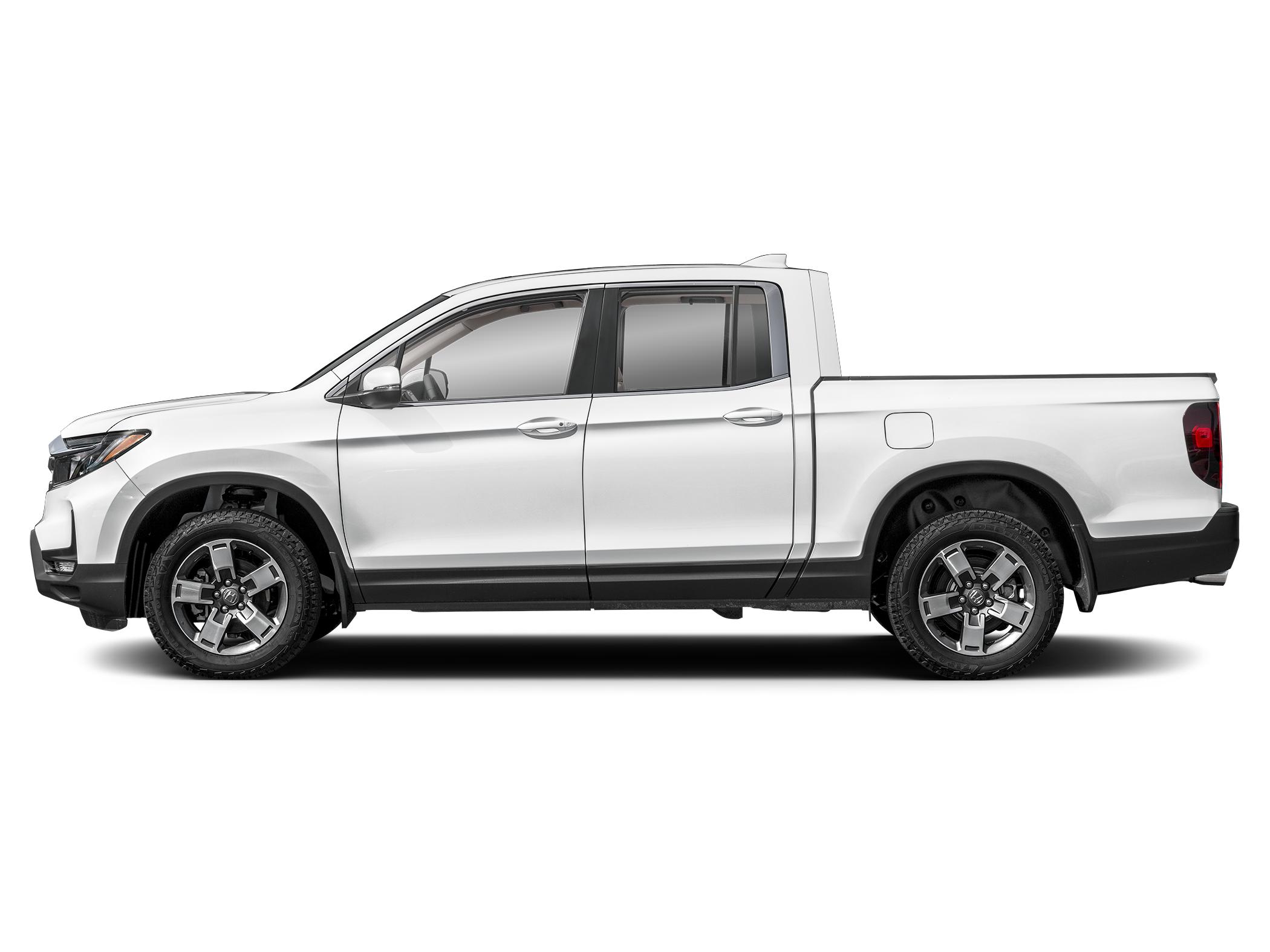
Visual comparison
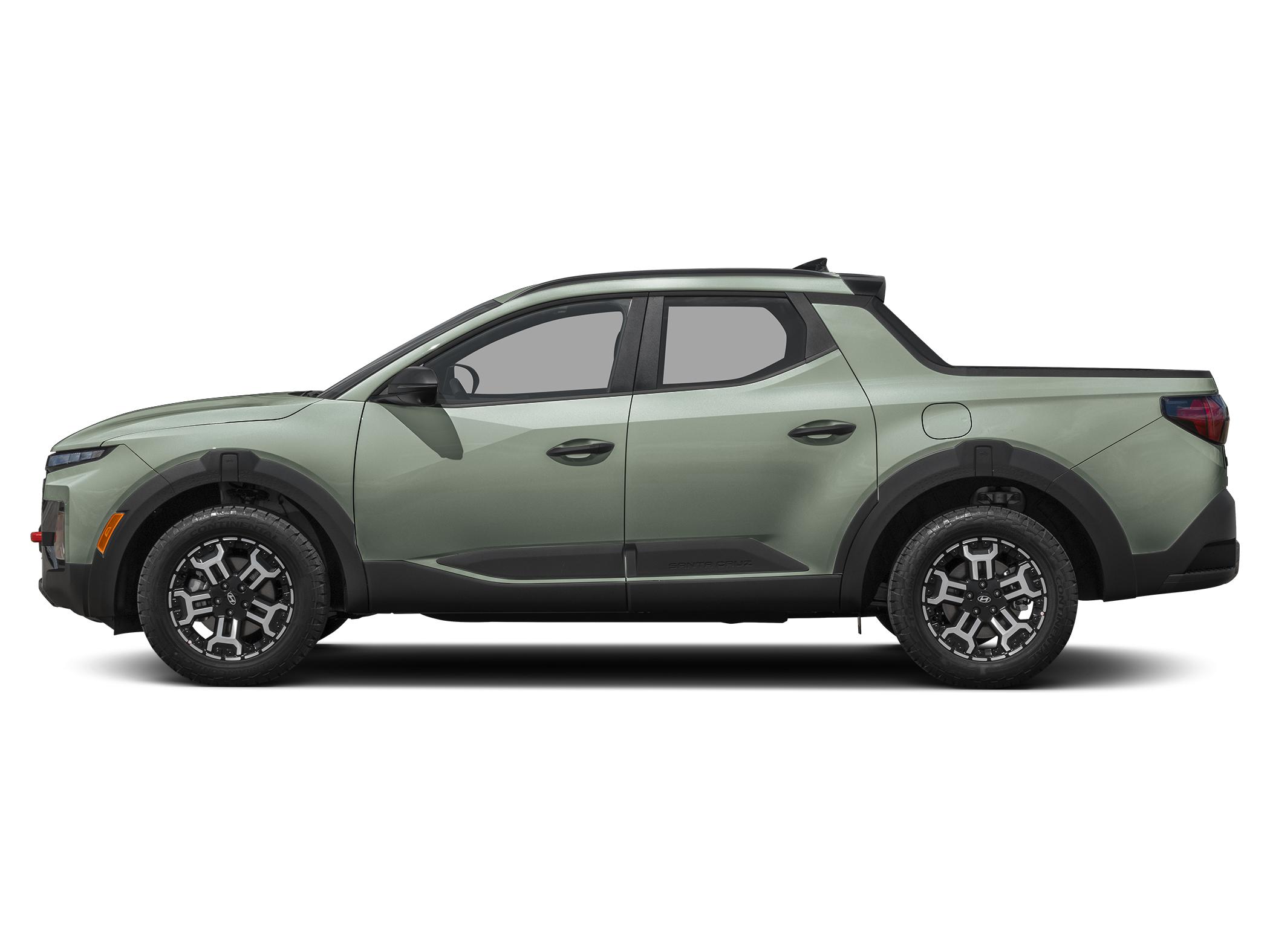
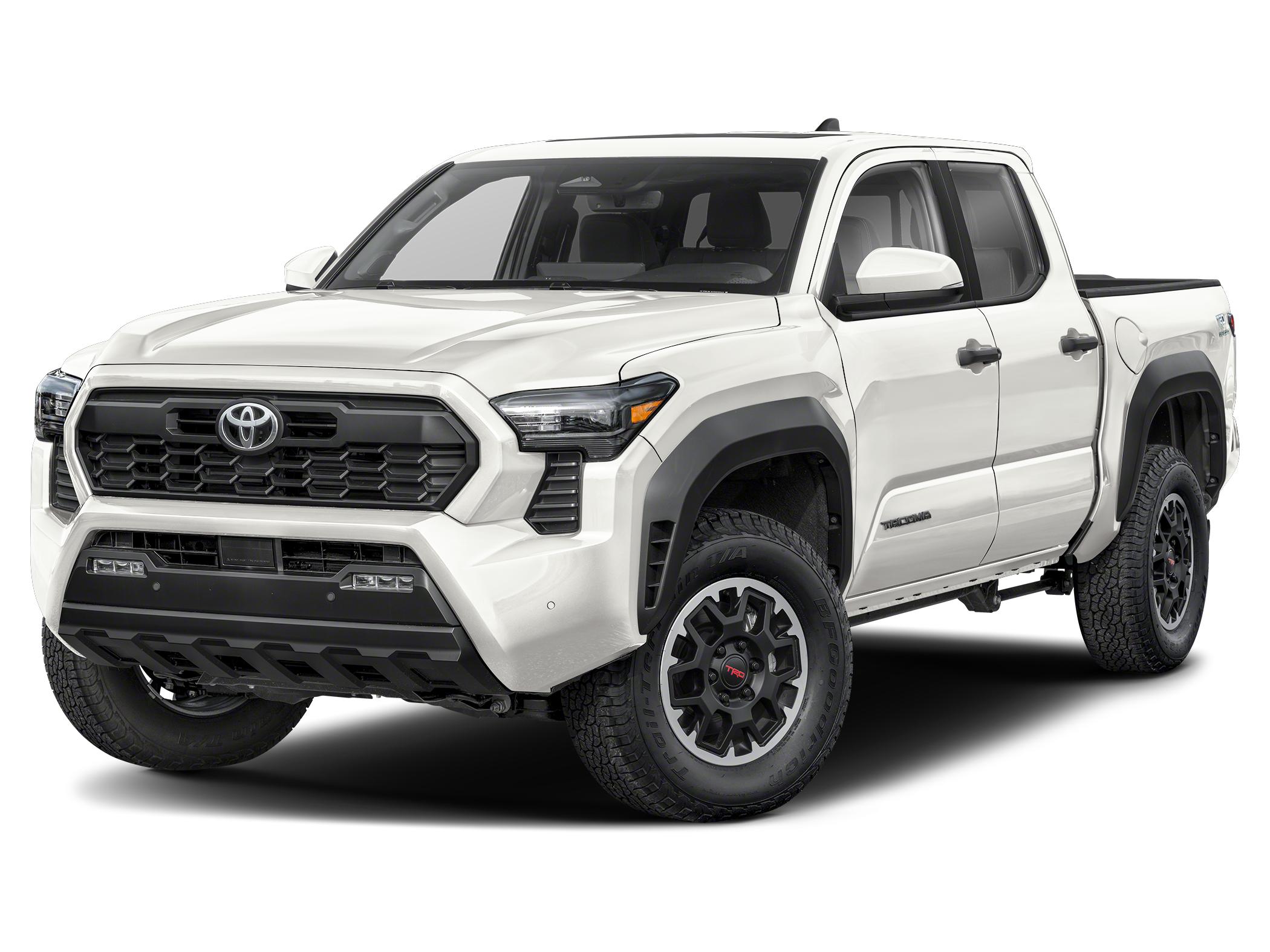
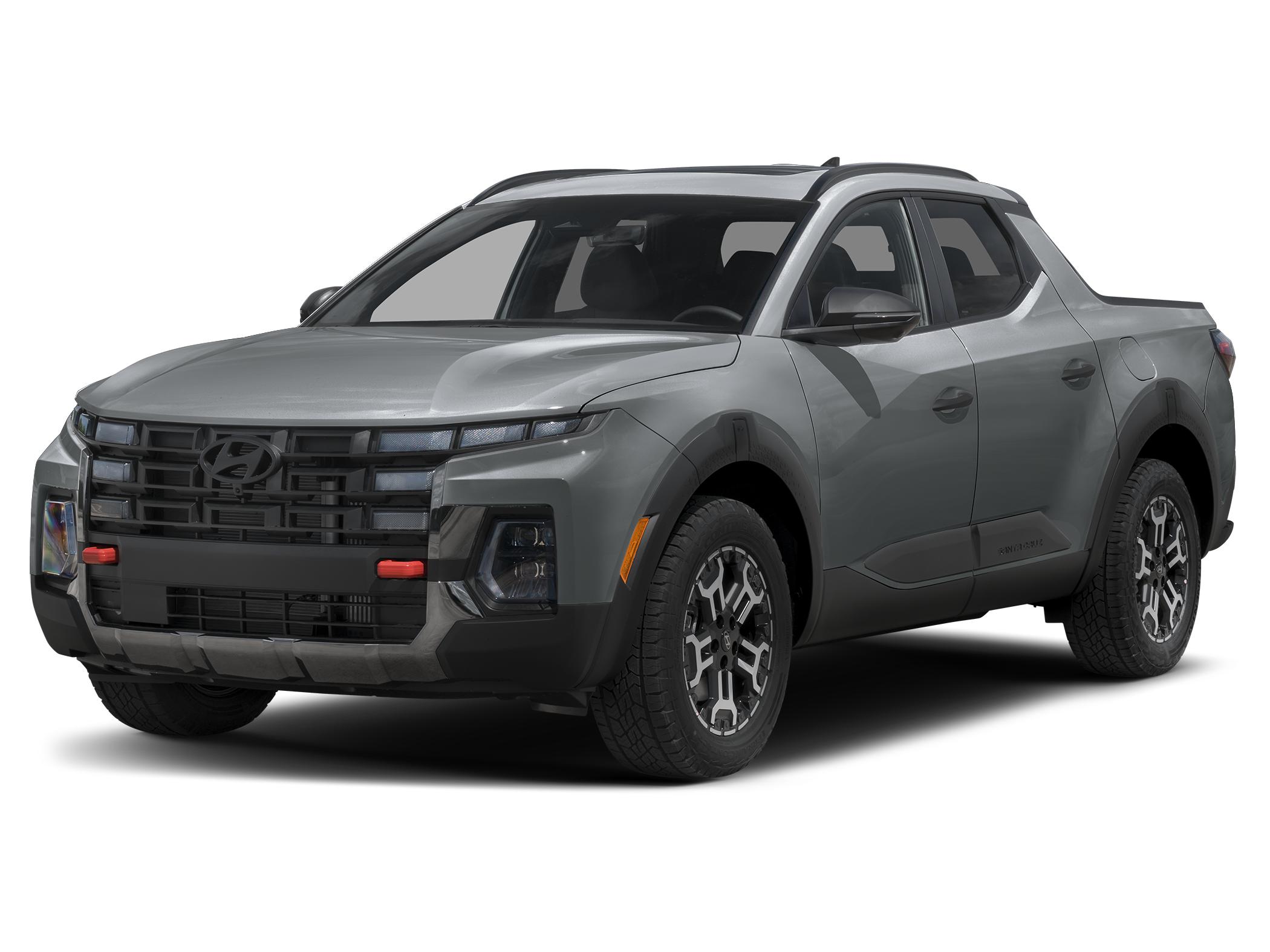
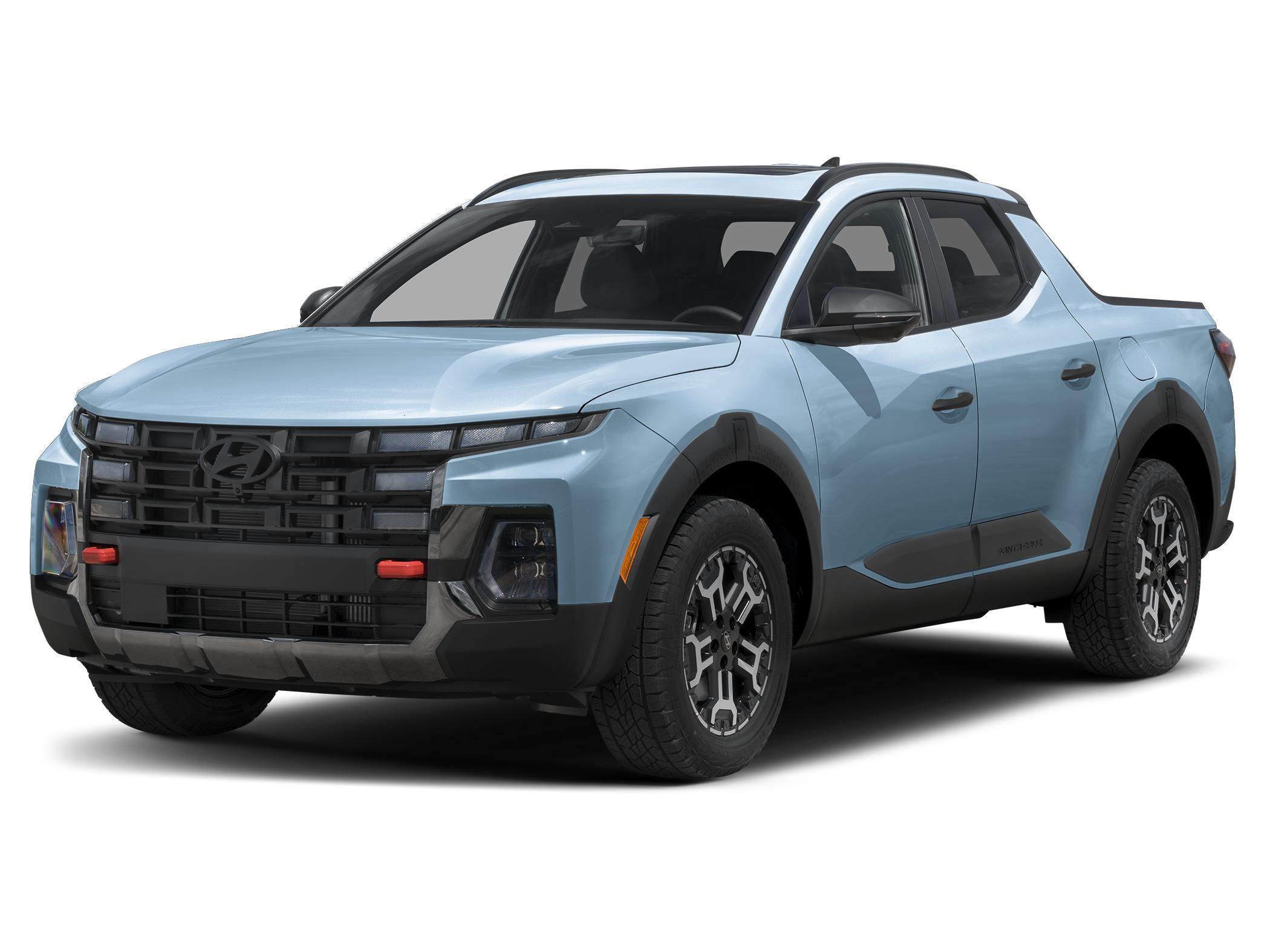
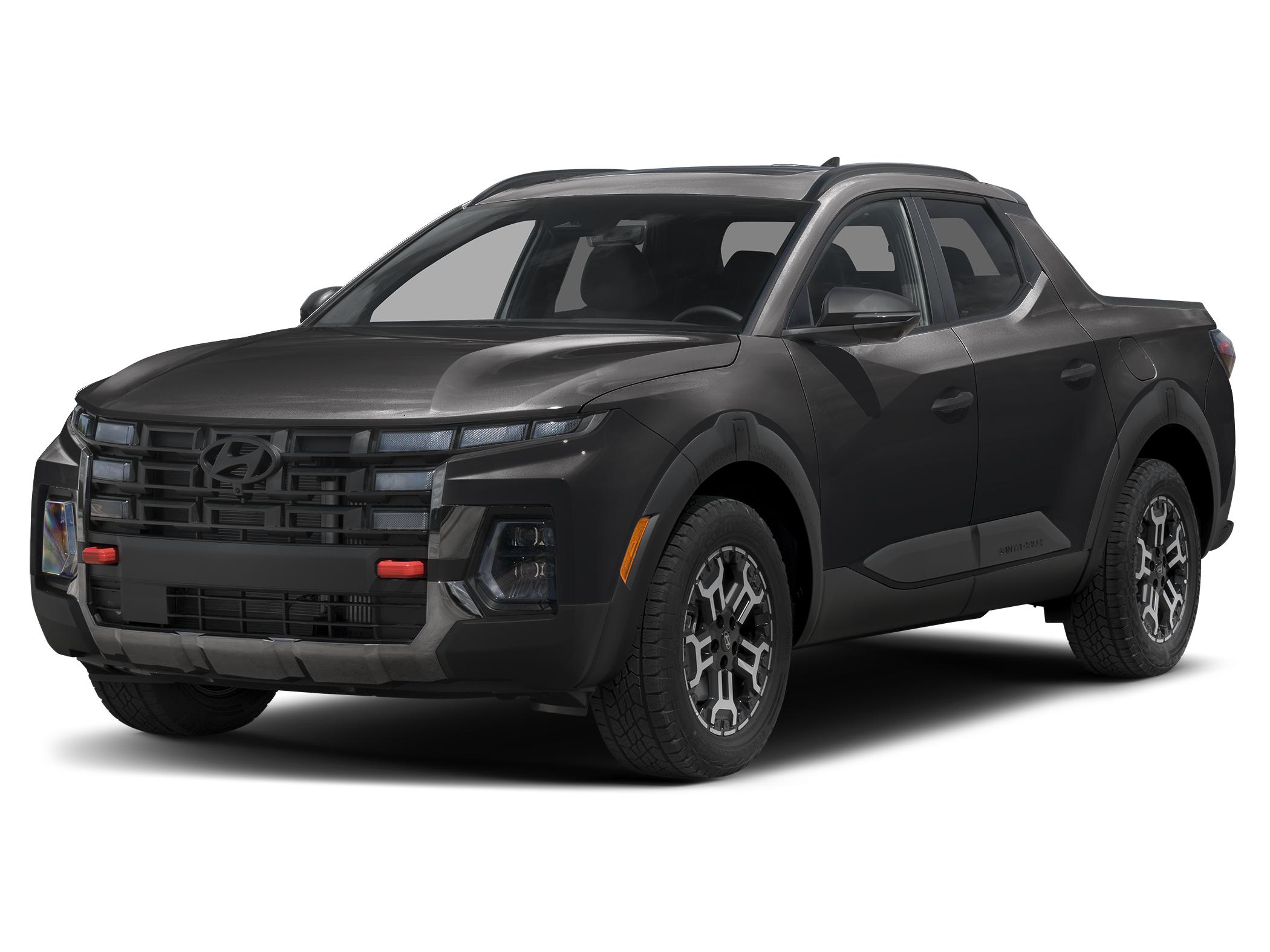
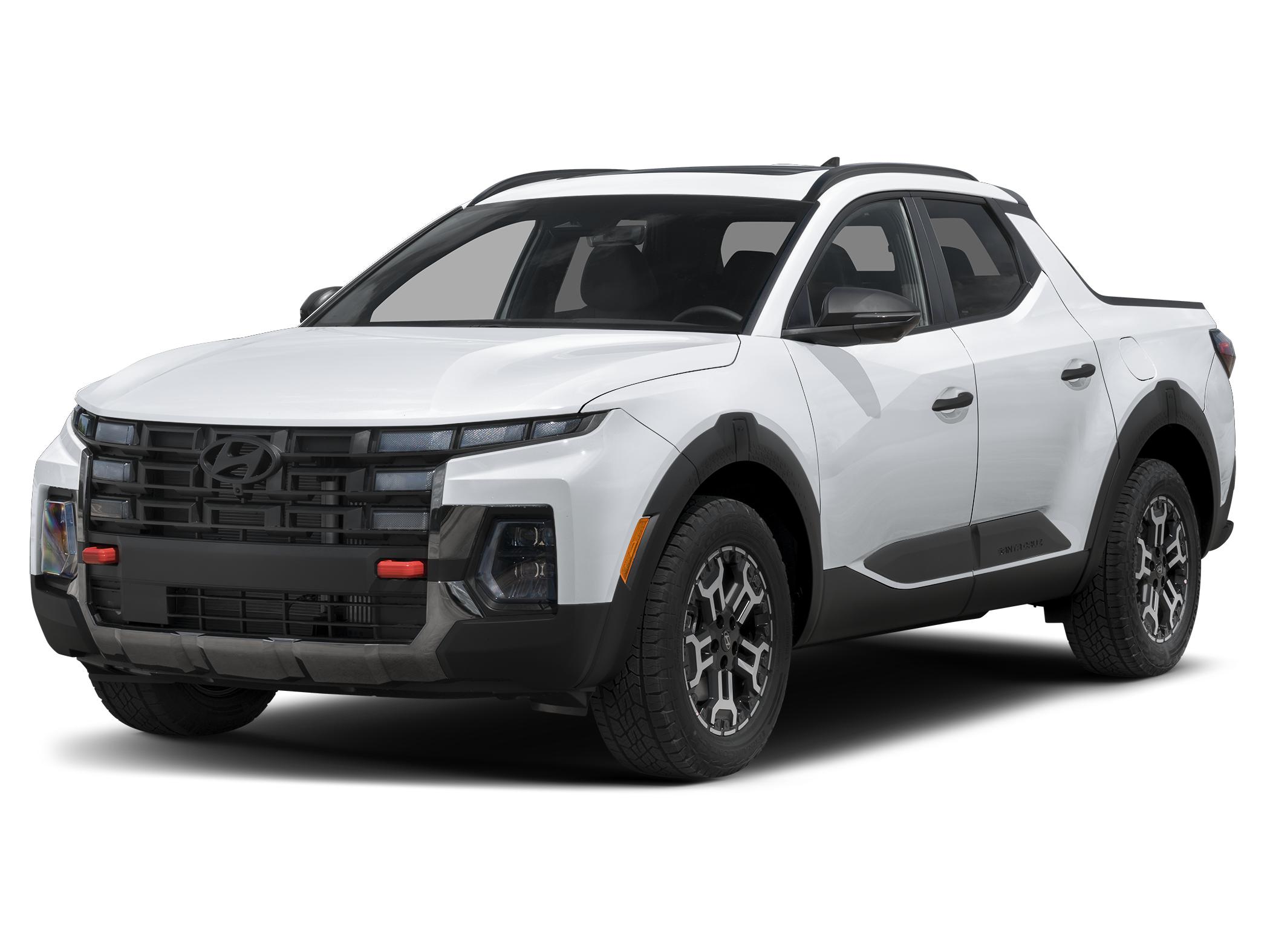
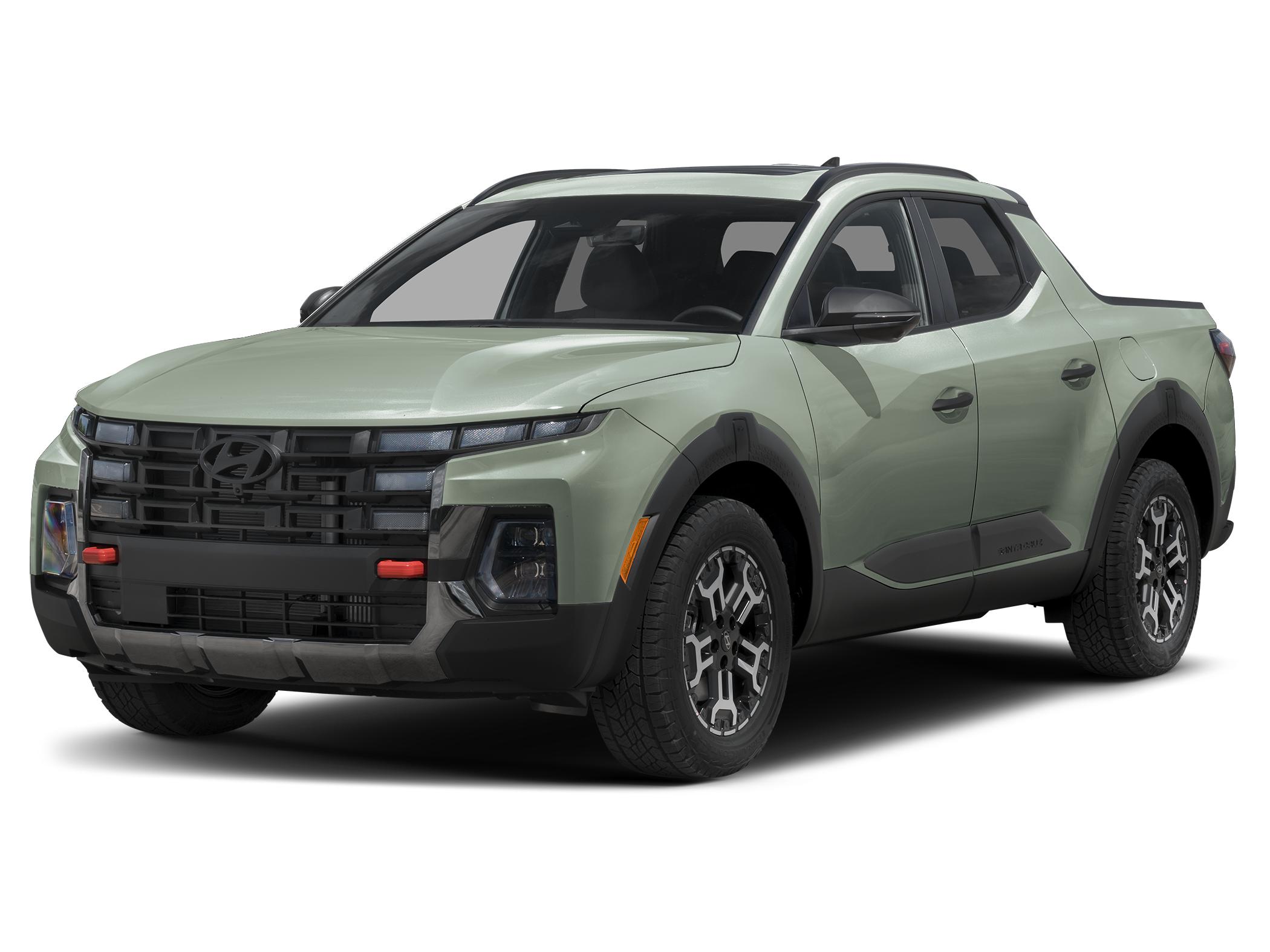
Santa Cruz XRT
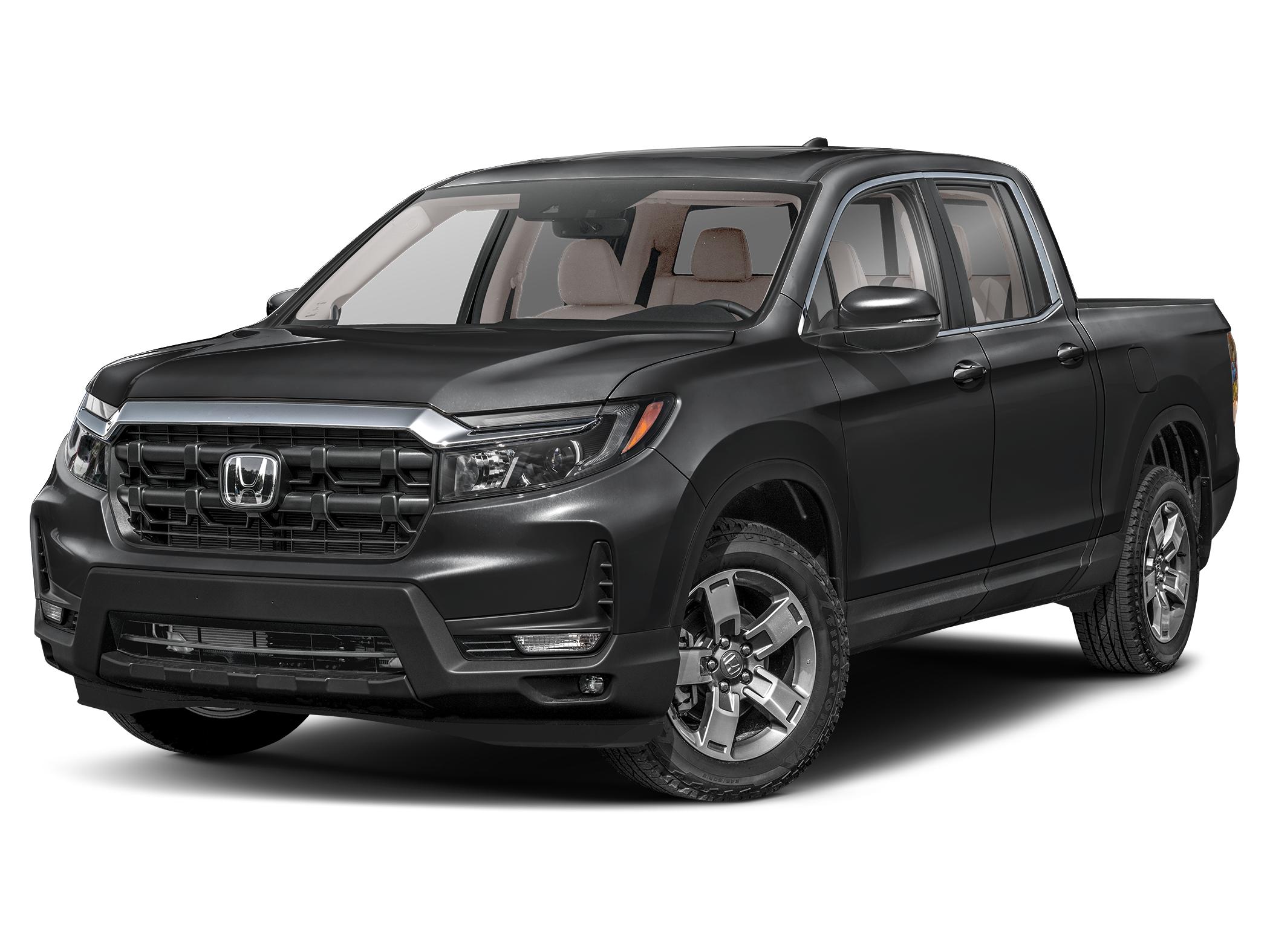
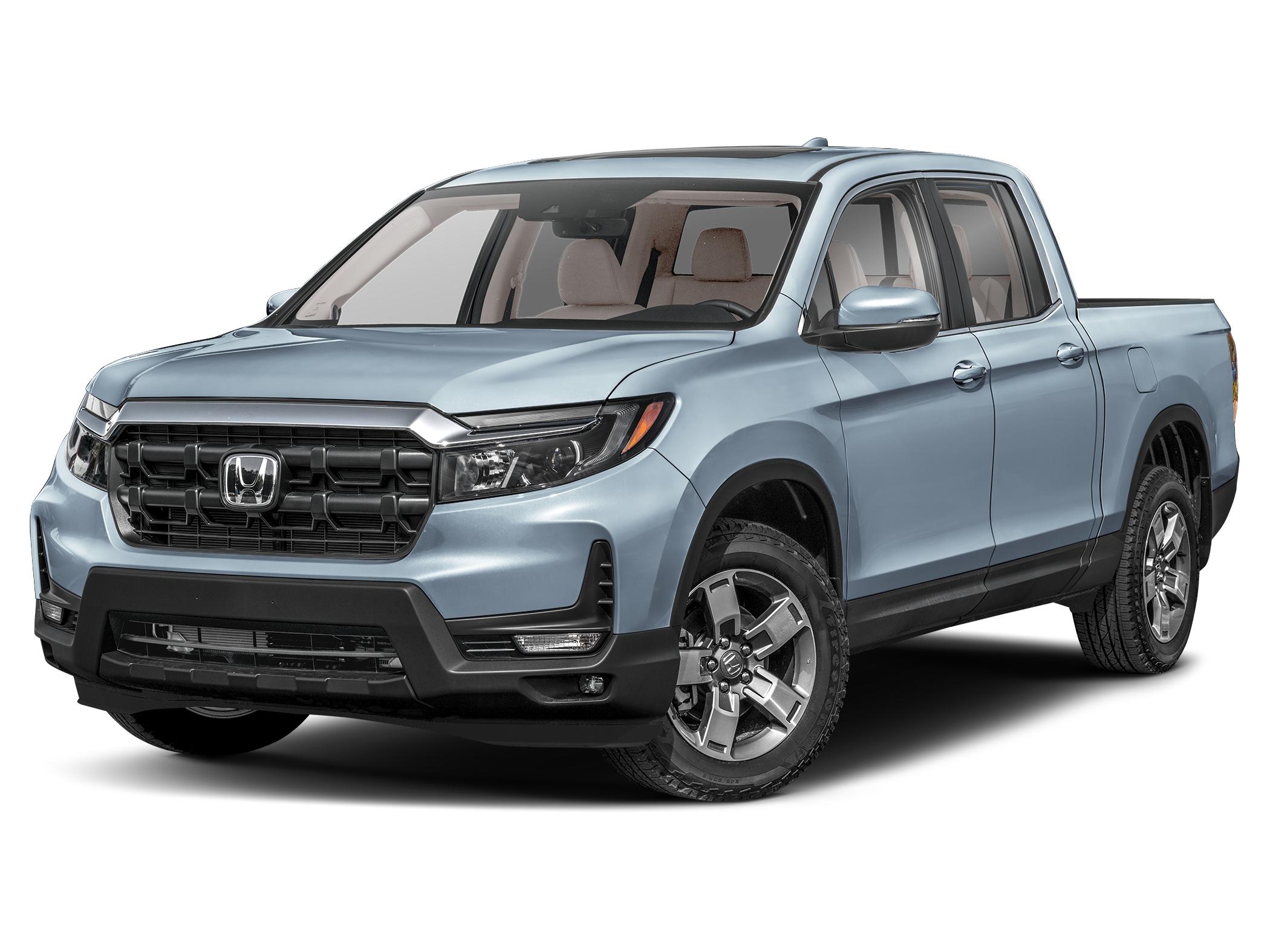
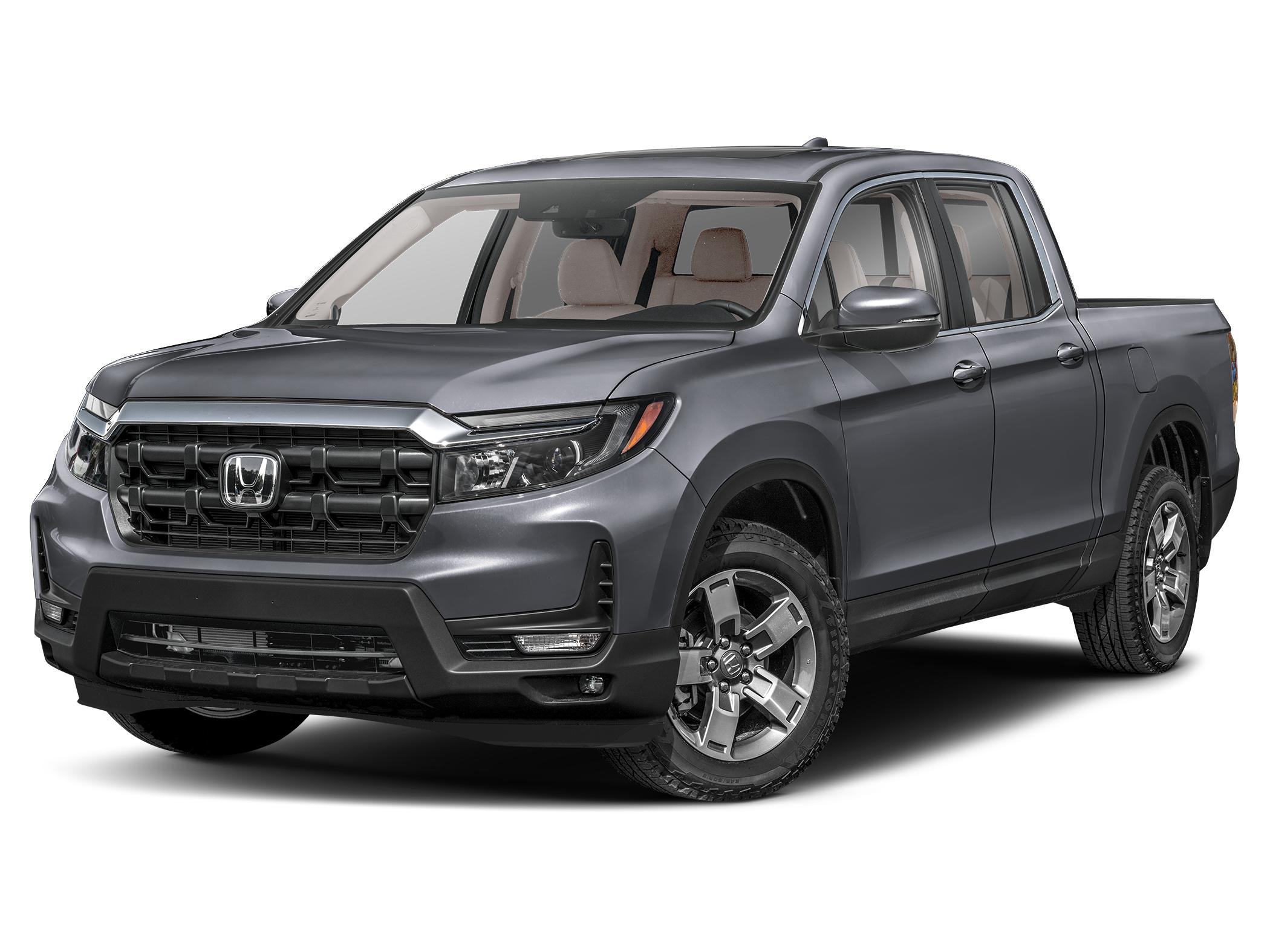
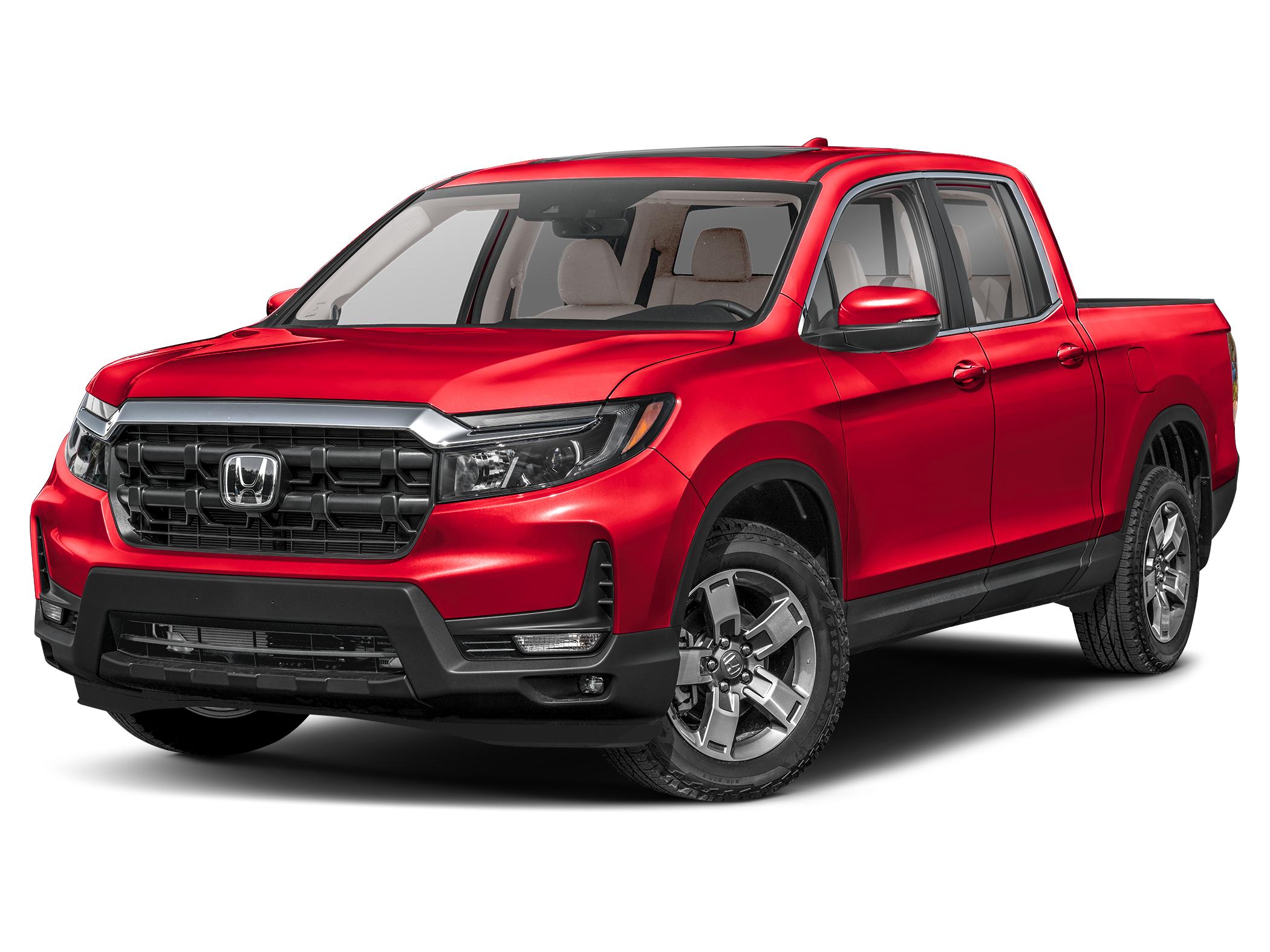
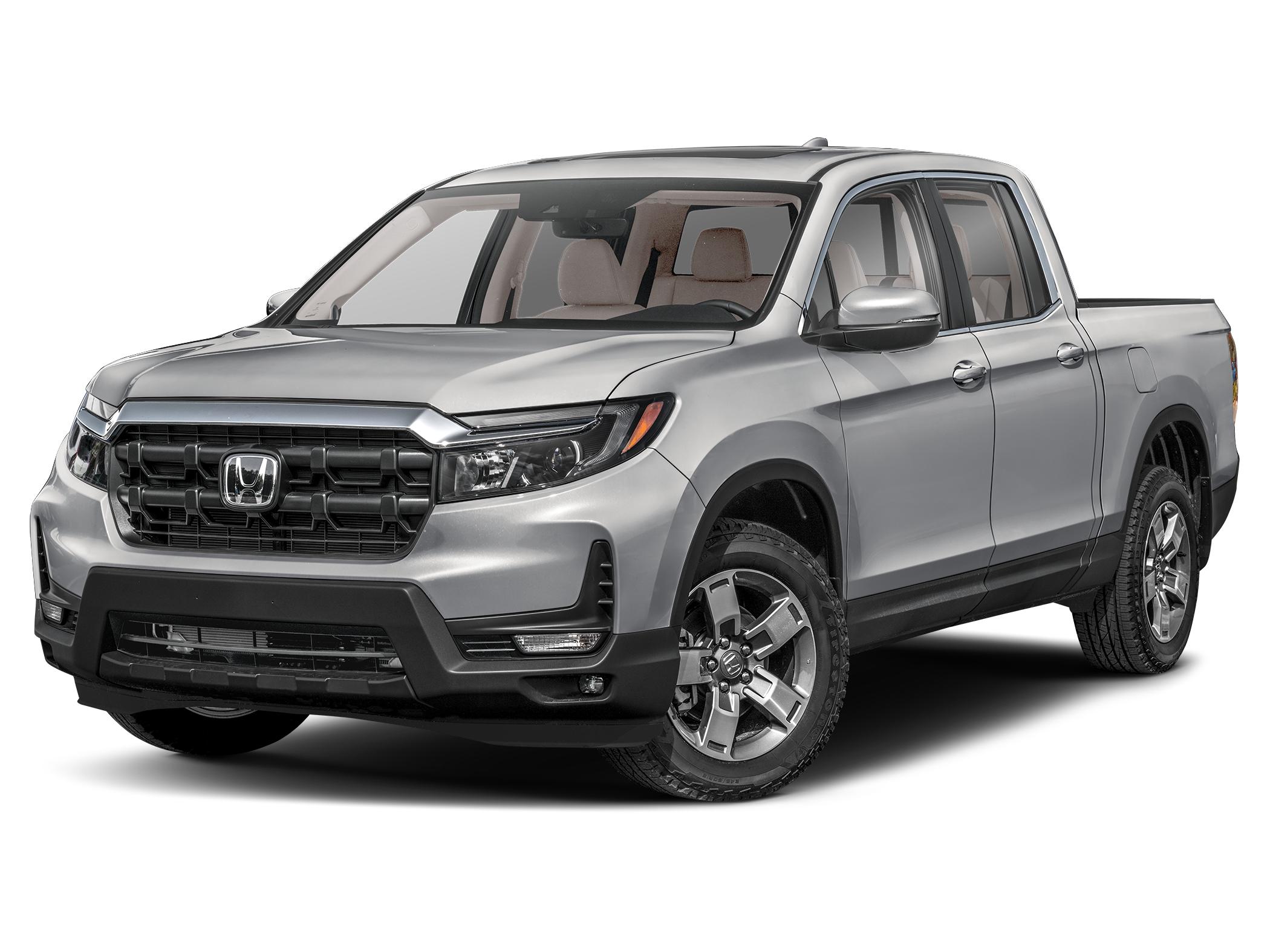
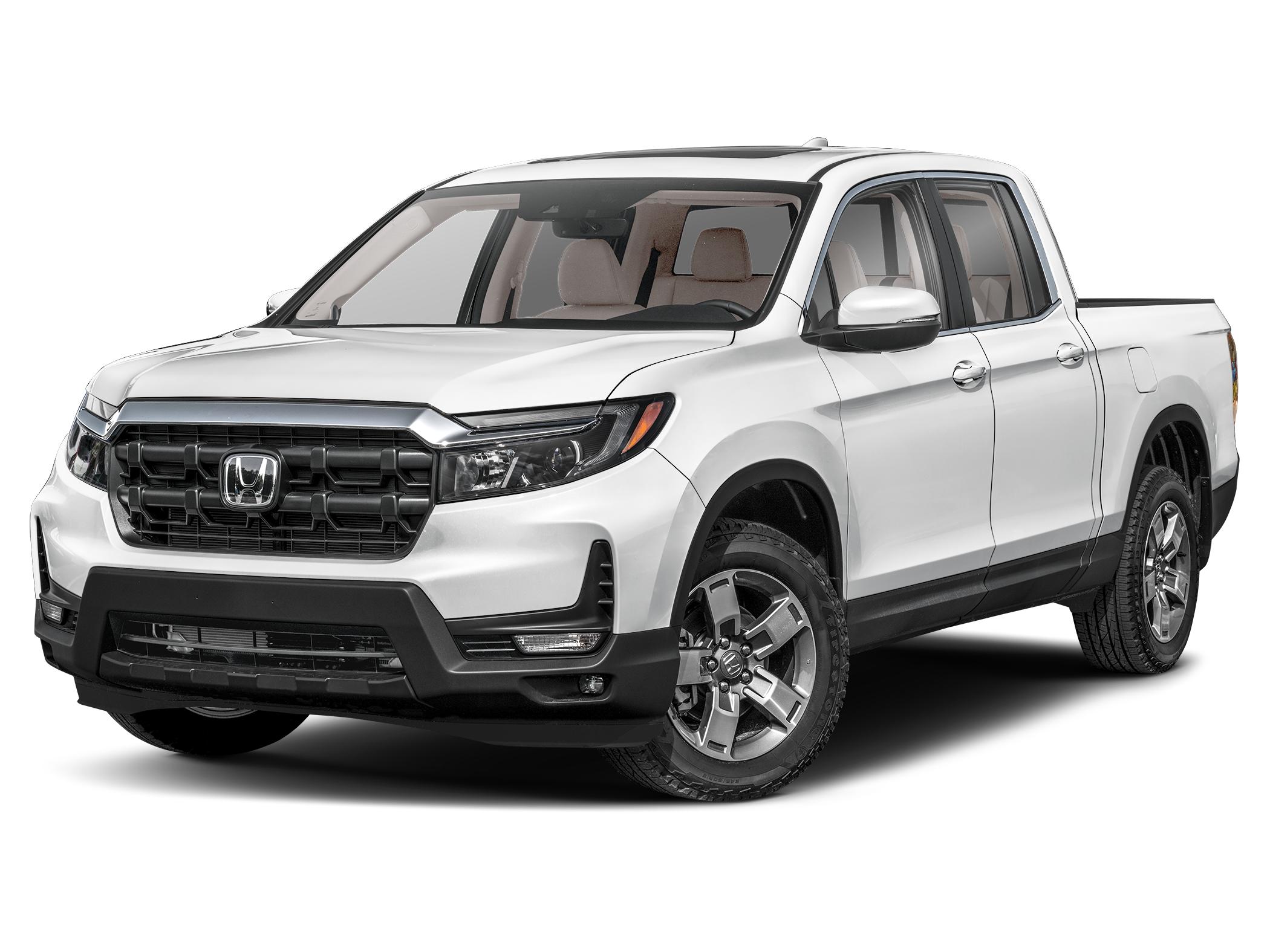
Ridgeline RTL
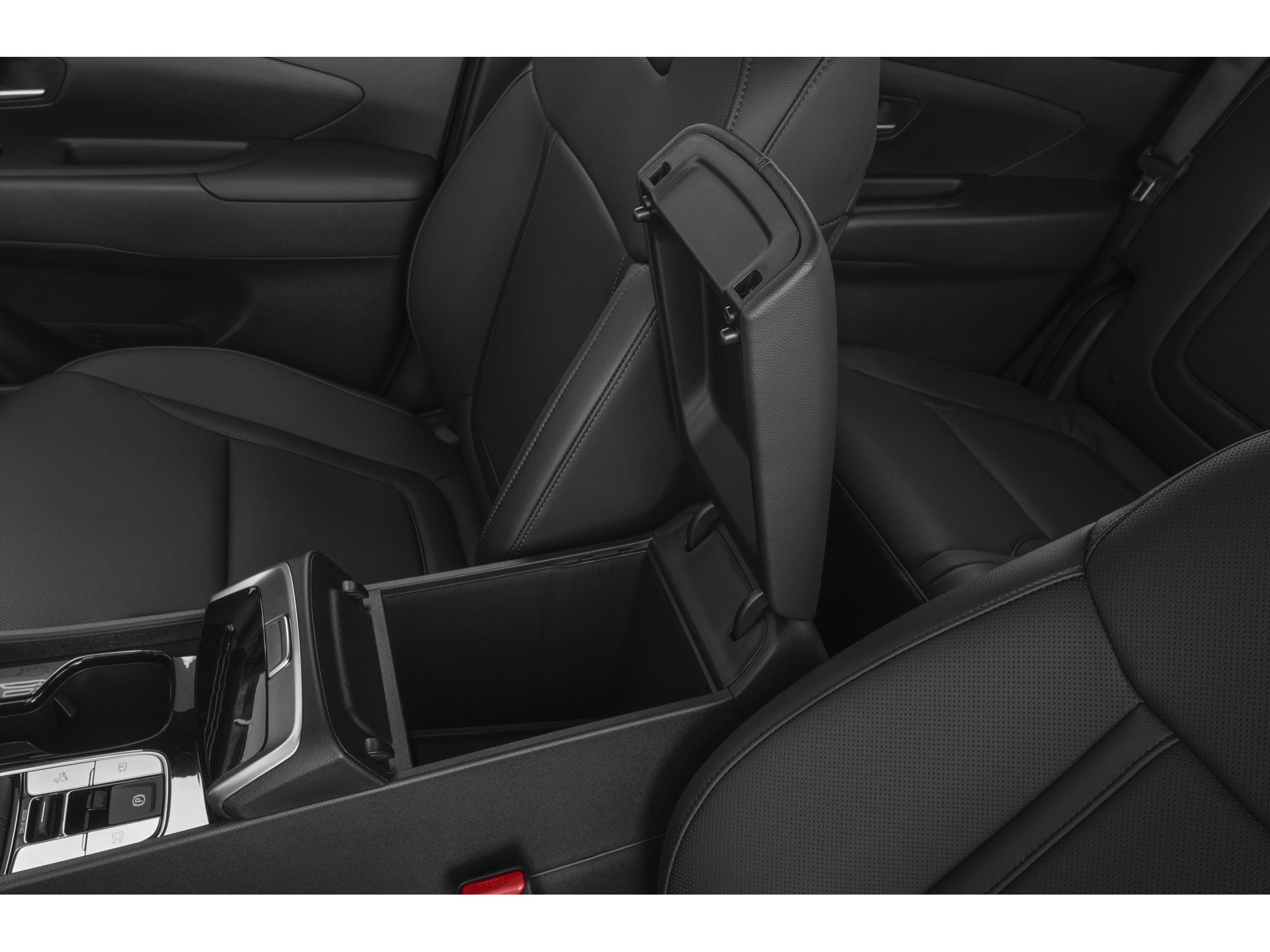
Santa Cruz XRT
Ridgeline RTL
The bottom line
Santa Cruz XRT
If you're shopping the Santa Cruz, the Santa Cruz XRT is the fit this site recommends — the two are closely matched on fuel economy, price & value and performance; the Ridgeline RTL leads on cabin & comfort and cargo & daily use, so choose it if those matter most.
What could change this: If a better-equipped cabin matters most, the Ridgeline RTL is the better fit.
On verified numbers, the XRT leads in torque.
The full picture
By the numbers
These are the figures most shoppers weigh first — price, power, efficiency, and room — with the full specification table below.
| Specification | Santa Cruz XRT | Ridgeline RTL |
|---|---|---|
| Starting MSRP | $42,775 | $43,595 |
| Horsepower | 281 hp | 280 hp |
| Torque | 311 lb-ft | 262 lb-ft |
| Combined MPG | 20 mpg | 21 mpg |
| City MPG | 18 mpg | 18 mpg |
| Highway MPG | 25 mpg | 24 mpg |
| Bed volume | 27 cu ft | 33.9 cu ft |
| Seating | 5 | 5 |
| Drivetrain | All Wheel Drive | All Wheel Drive |
| Transmission | 8-Speed Automatic w/SHIFTRONIC | 9-Speed Automatic |
Make the call
Best for:
Best for:
Good to know
The questions shoppers ask most when weighing these two — answered with the verified facts.
Value comes down to the details. The XRT and RTL are closely matched on price: $42,775 vs $43,595. Weigh the standard equipment each includes, their fuel economy, and the features you'll genuinely use. Cross-shop comparably equipped trims and let local incentives settle it.
"Nicer every day" is about the things you touch on every drive — the seats, the controls, and the screen. Comfort is personal, though: seat shape, driving position, and how intuitive the controls feel to you matter more than any feature list. Spend ten minutes in each on a route like your real commute — that test drive will tell you more about daily livability than any spec comparison.
We don't publish a feature-by-feature equipment comparison for this exact pairing, so we won't claim either way. Use the verified specifications and the verdict above — those come from confirmed data — and check each manufacturer's build-and-price tool for the equipment on the exact XRT and RTL you're considering. Equipment also moves with option packages and model year, so the trim you drive may not match a general list. A back-to-back test drive of the two specific cars you're shopping is the reliable way to see what one offers that the other doesn't.
High annual mileage puts the spotlight on running costs, and that's mostly about fuel. Beyond fuel, a high-mileage driver should weigh seat comfort for all those hours and each model's reliability record — worth checking current ratings for the specific trims, since it matters most when you're piling on miles. If your year is mostly highway commuting, lean toward the more efficient, more comfortable choice; the small differences compound over 15,000 miles in a way they wouldn't for a light-use second car.
Interior preference is partly personal — dashboard layout, seat shape, and where the controls fall all factor in — so the best test is to sit in both. If a richer, more feature-laden cabin matters to you, compare the specific trims' option packages directly; if you mainly want a comfortable, sensibly-arranged space, either will serve you well day to day.
For most shoppers, the right pick follows your priorities rather than a single score. Use the verdict above as the starting recommendation, then confirm it with a back-to-back test drive of the exact trims you're considering.
Find local inventory, pricing, incentives, and available trims near you.
Updated inventory from local dealers.