Cabin & Comfort
WinnerSanta Cruz XRT
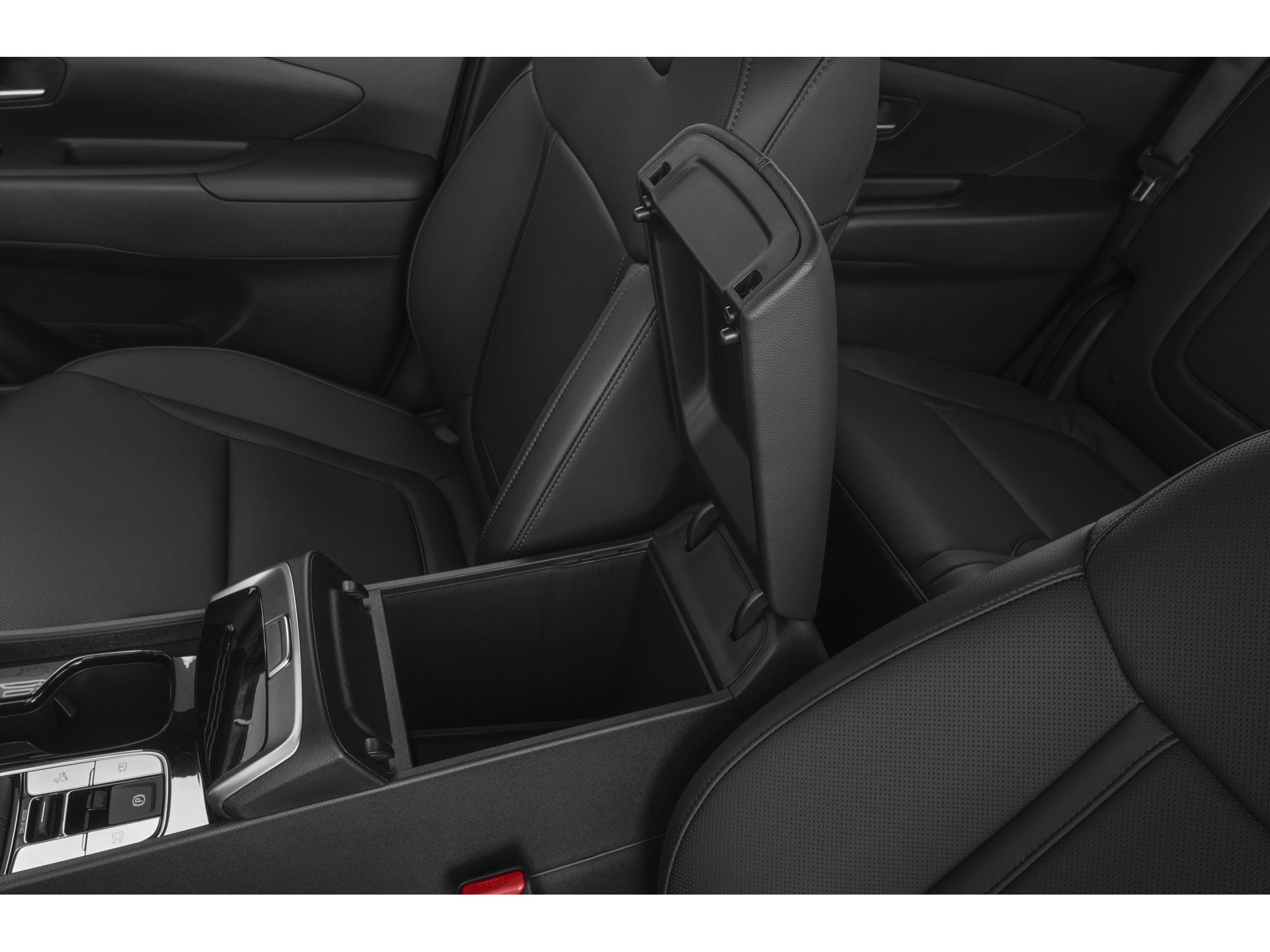
A more comfortable, upscale place to spend your drive, supported by leatherette seats — where the Canyon 4WD Elevation uses cloth.
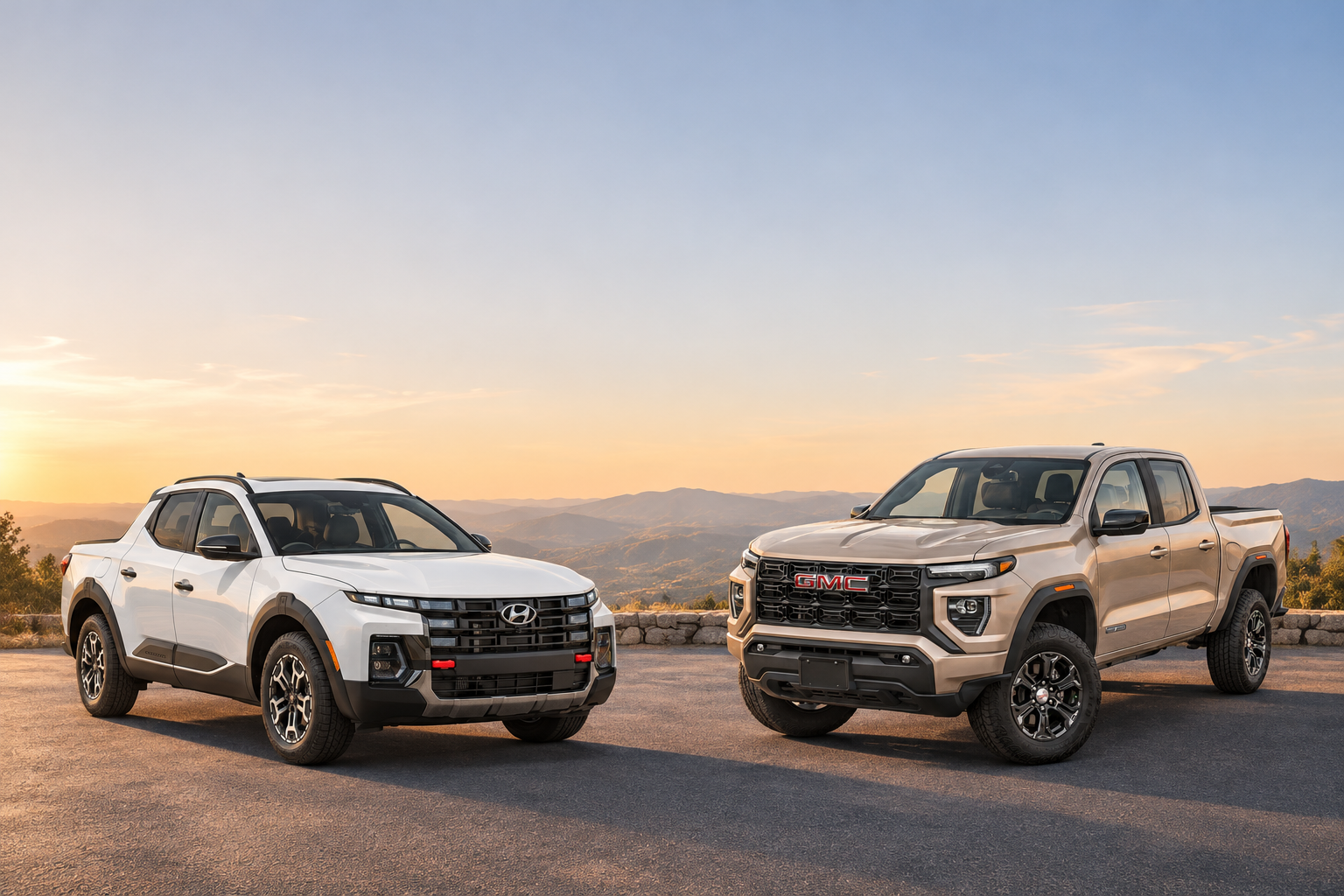
Before you compare
XRT vs 4WD Elevation, compared on verified specifications and price.
The XRT and 4WD Elevation are closely matched on price: $42,775 vs $42,200.
Because these two trims sit at different points in their lineups, the category winners below reflect trim level as much as brand. Read them as evidence, and weigh them against the equipment you will actually use.
At a glance
For shoppers on this Santa Cruz site, the Santa Cruz XRT is our pick over the Canyon 4WD Elevation.
Close call — closely matched on price: $42,775 vs $42,200.
Canyon 4WD Elevation makes 310 hp vs 281 hp.
Close call — closely matched on efficiency: 20 mpg vs 19 mpg combined.
Head to head
The verified differences most likely to decide it — each shown side by side, with the winner called out.
A more comfortable, upscale place to spend your drive, supported by leatherette seats — where the Canyon 4WD Elevation uses cloth.
Closely matched: 20 mpg vs 19 mpg.
Closely matched: $42,775 vs $42,200.
The Canyon 4WD Elevation makes everyday hauling and road trips easier with more cargo room.
The Canyon 4WD Elevation gives you stronger acceleration and easier passing.
The XRT and 4WD Elevation are closely matched on price: $42,775 vs $42,200.
On verified numbers, the 4WD Elevation leads in horsepower and torque. What the numbers actually mean for you here: the 4WD Elevation's horsepower edge (310 vs 281 hp) shows up most when merging and passing rather than in daily commuting and the 4WD Elevation's torque edge (430 vs 311 lb-ft) is felt most in everyday, low-speed response.
Visual comparison
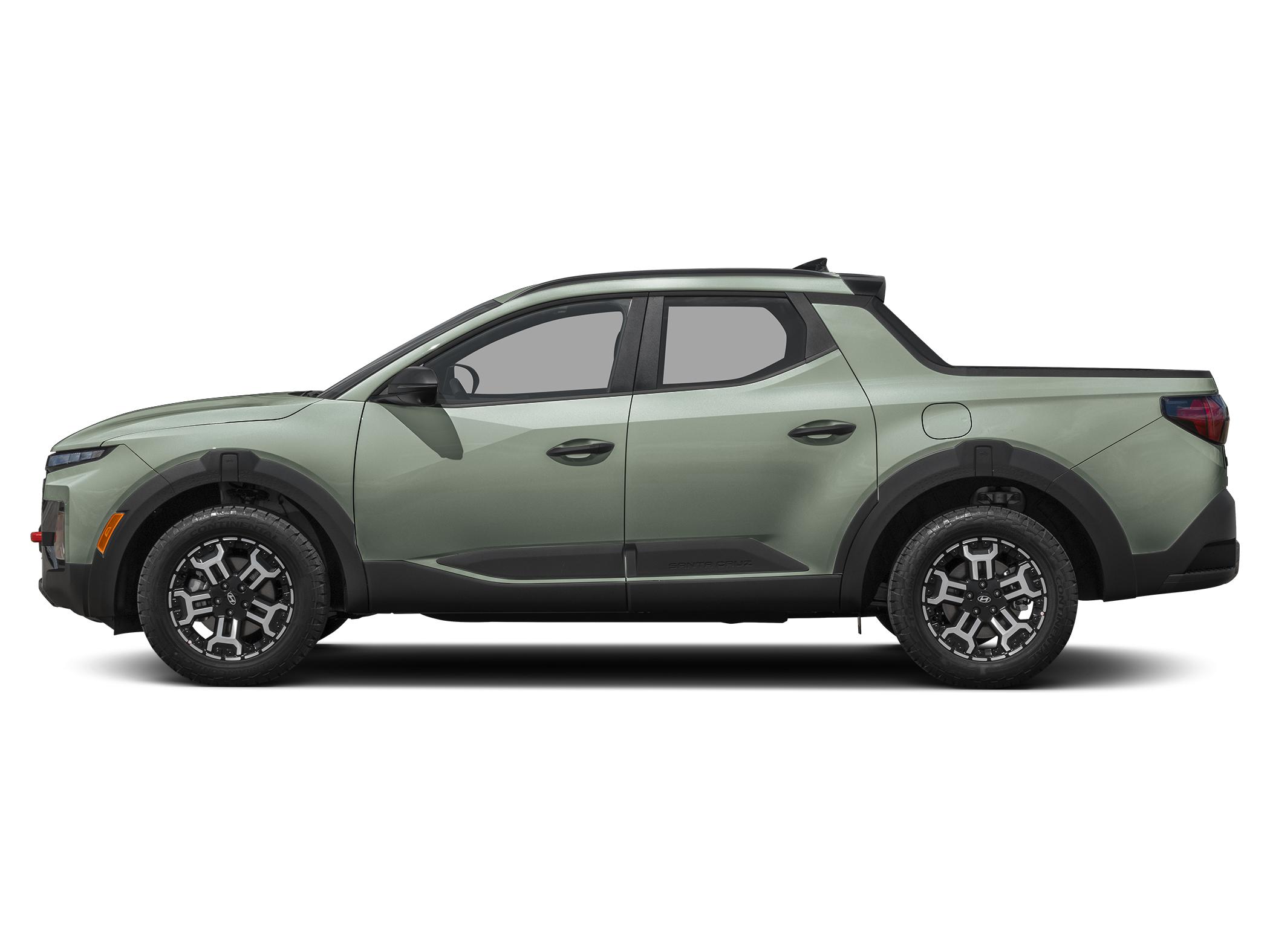
Santa Cruz XRT
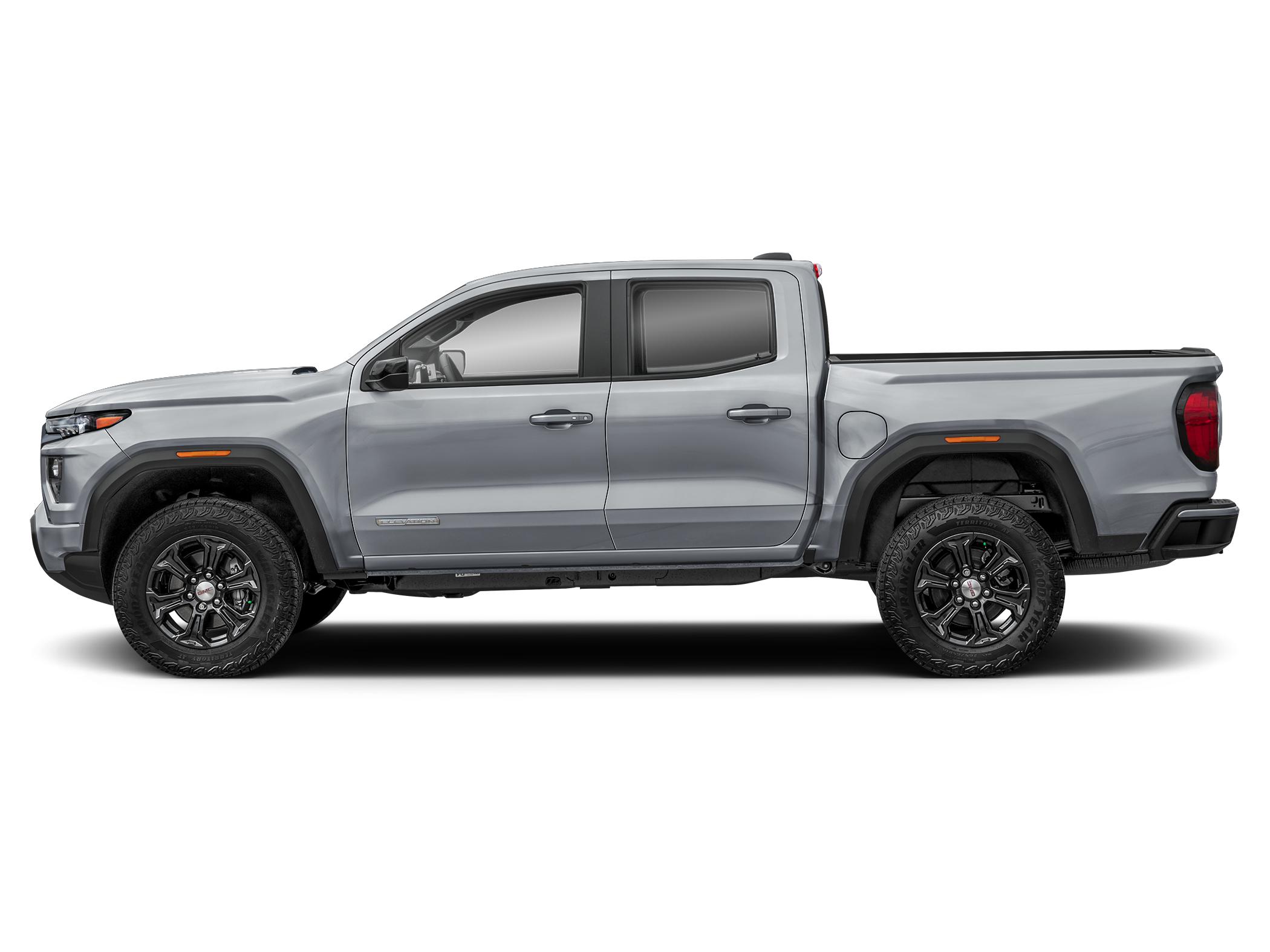
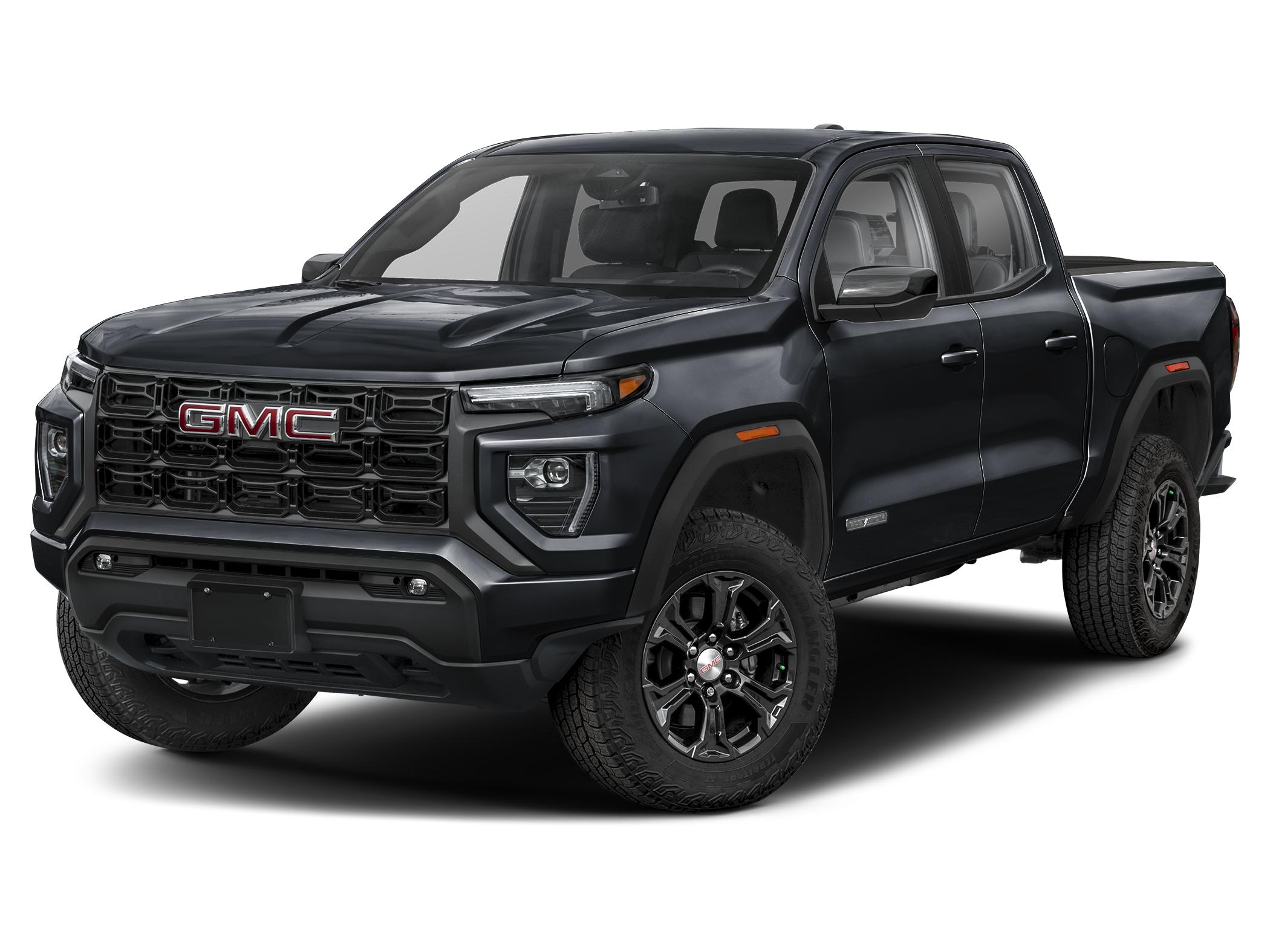
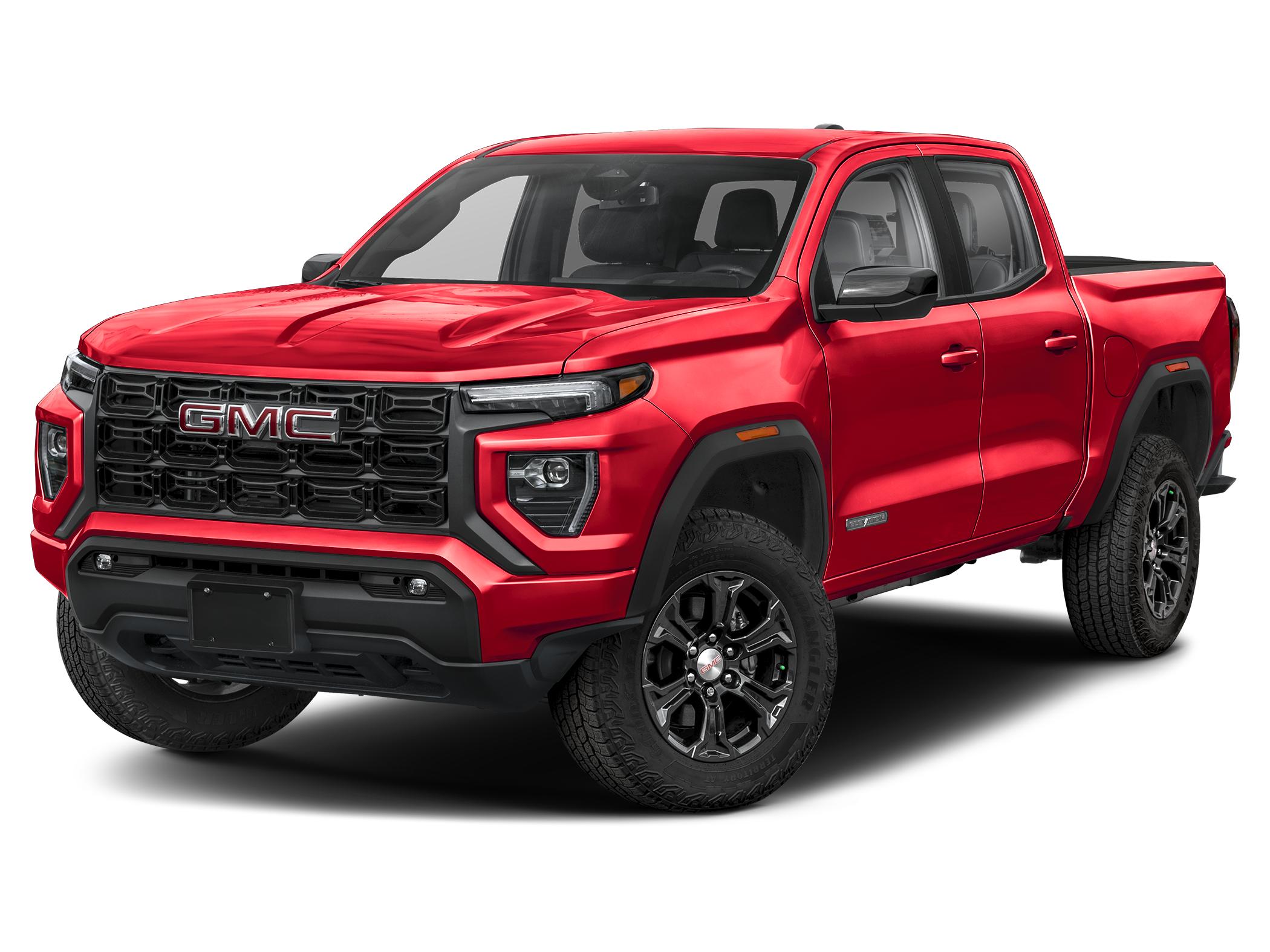
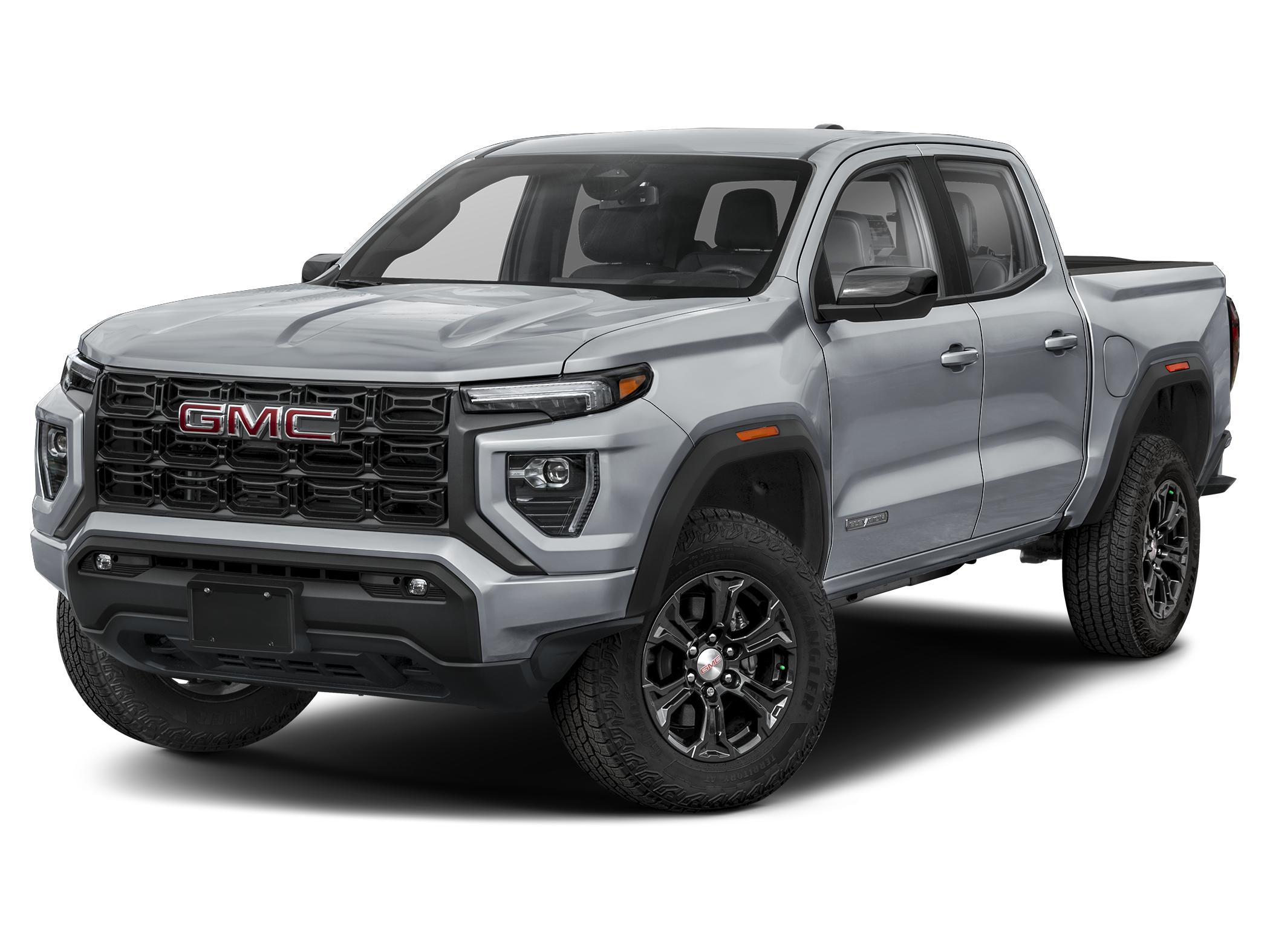
Canyon 4WD Elevation
Santa Cruz XRT
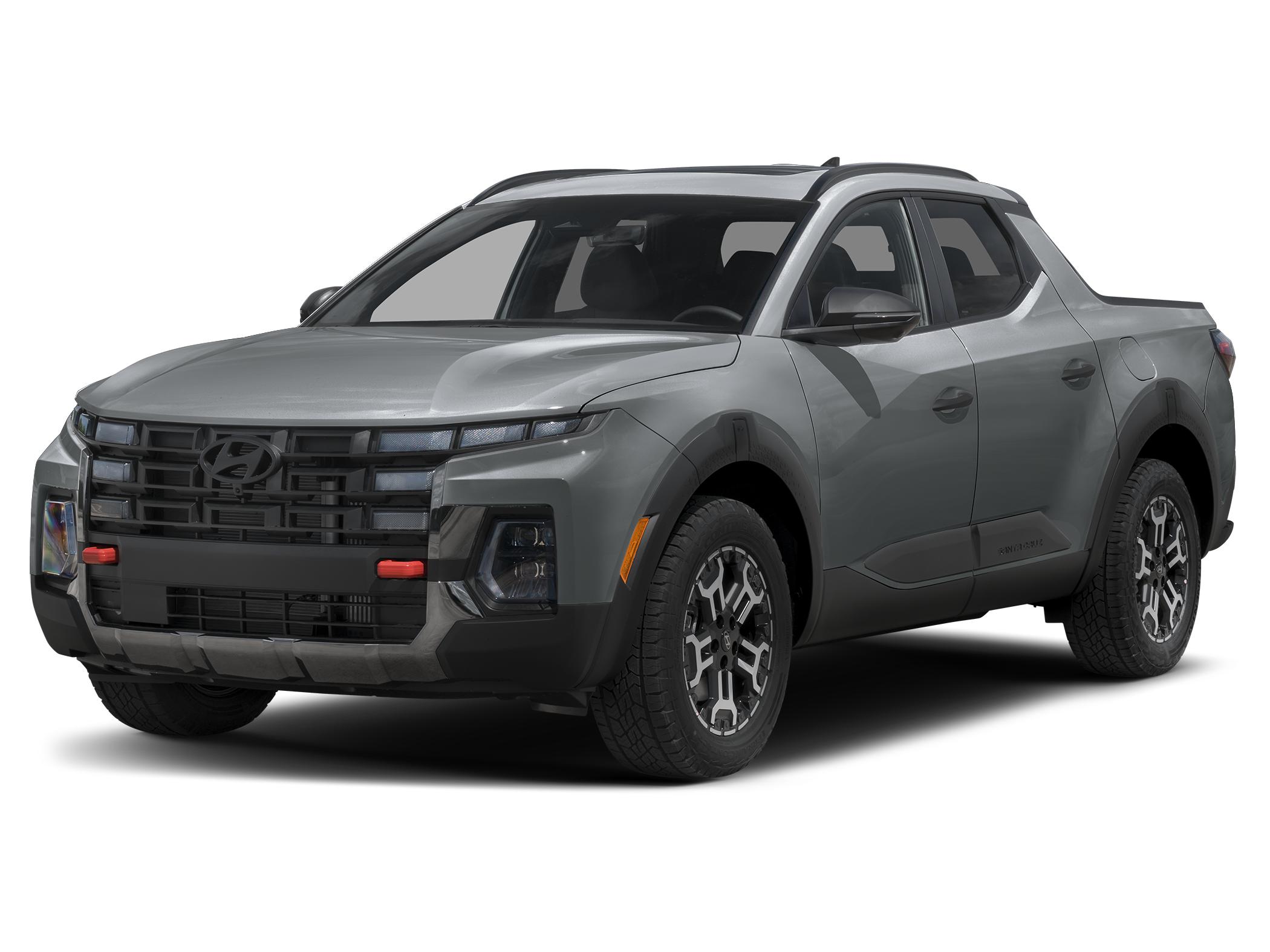
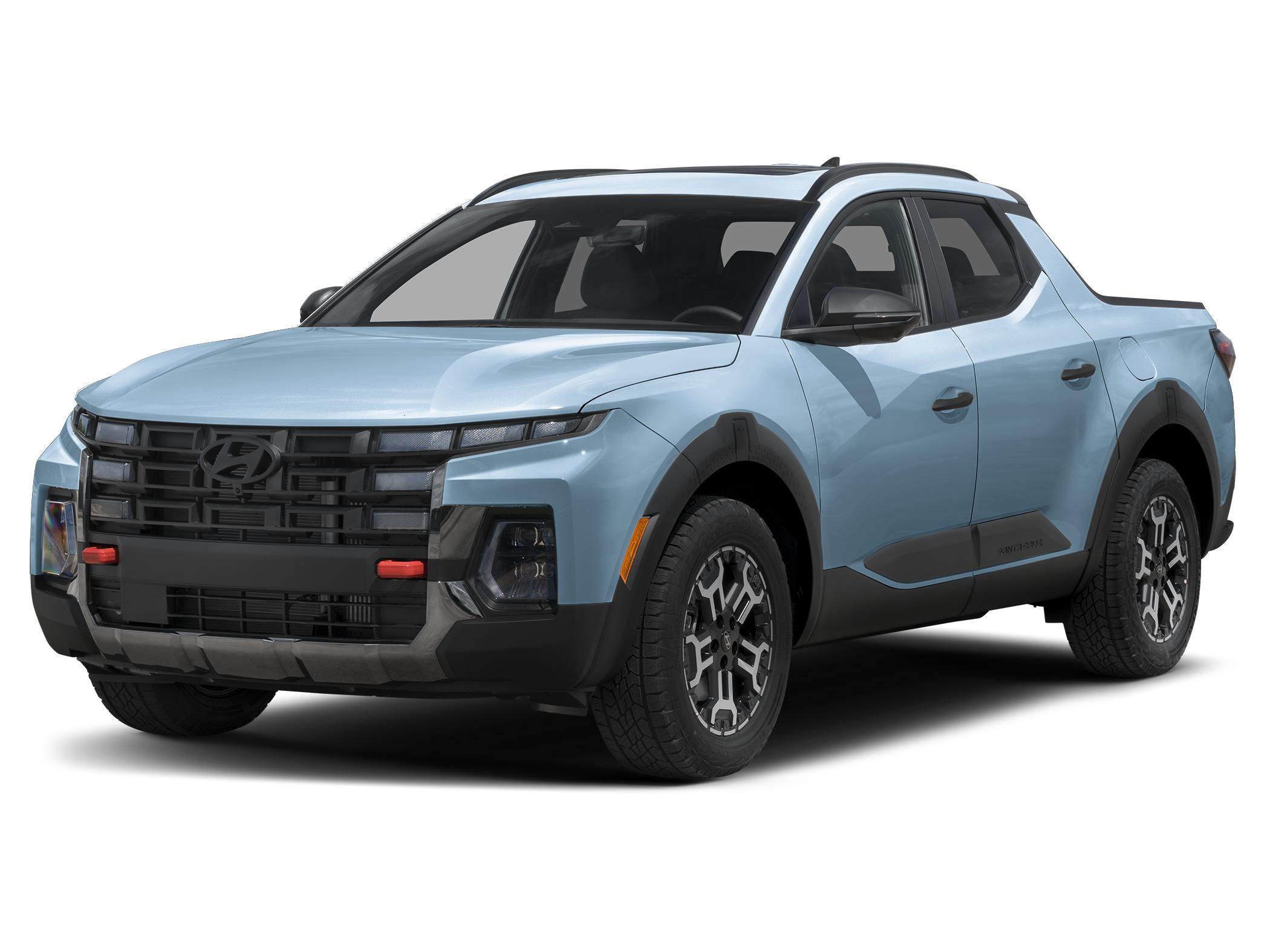
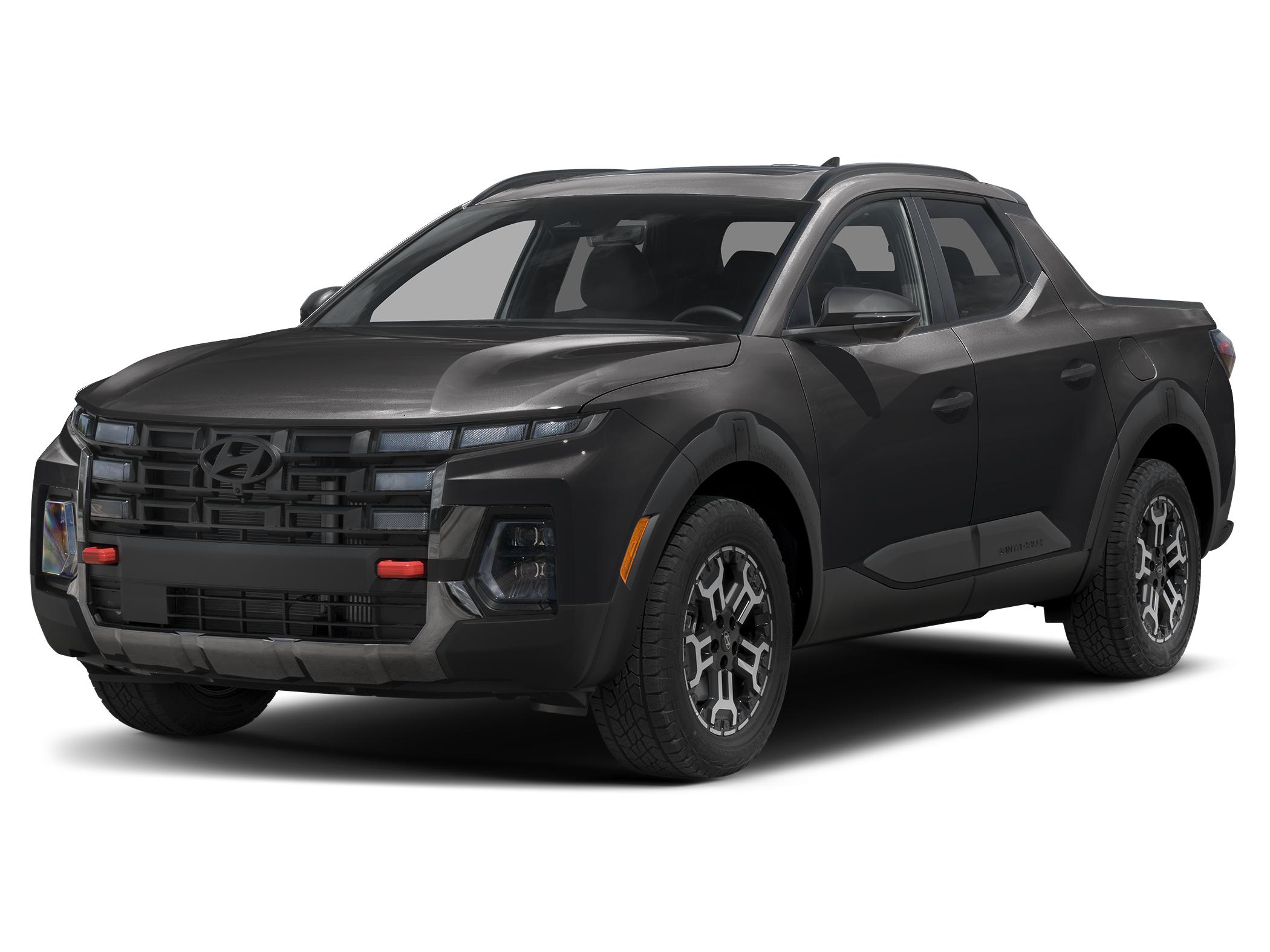
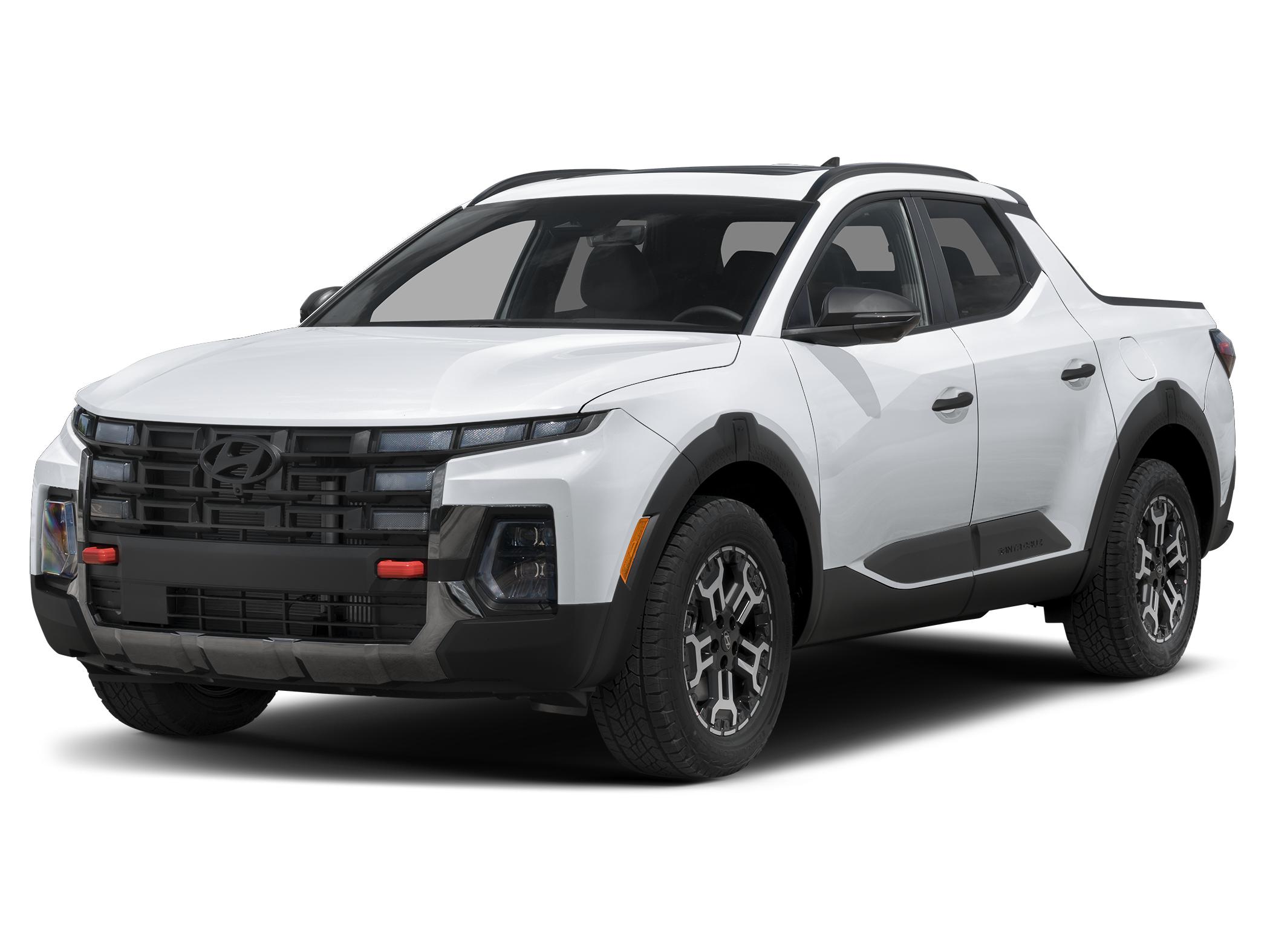
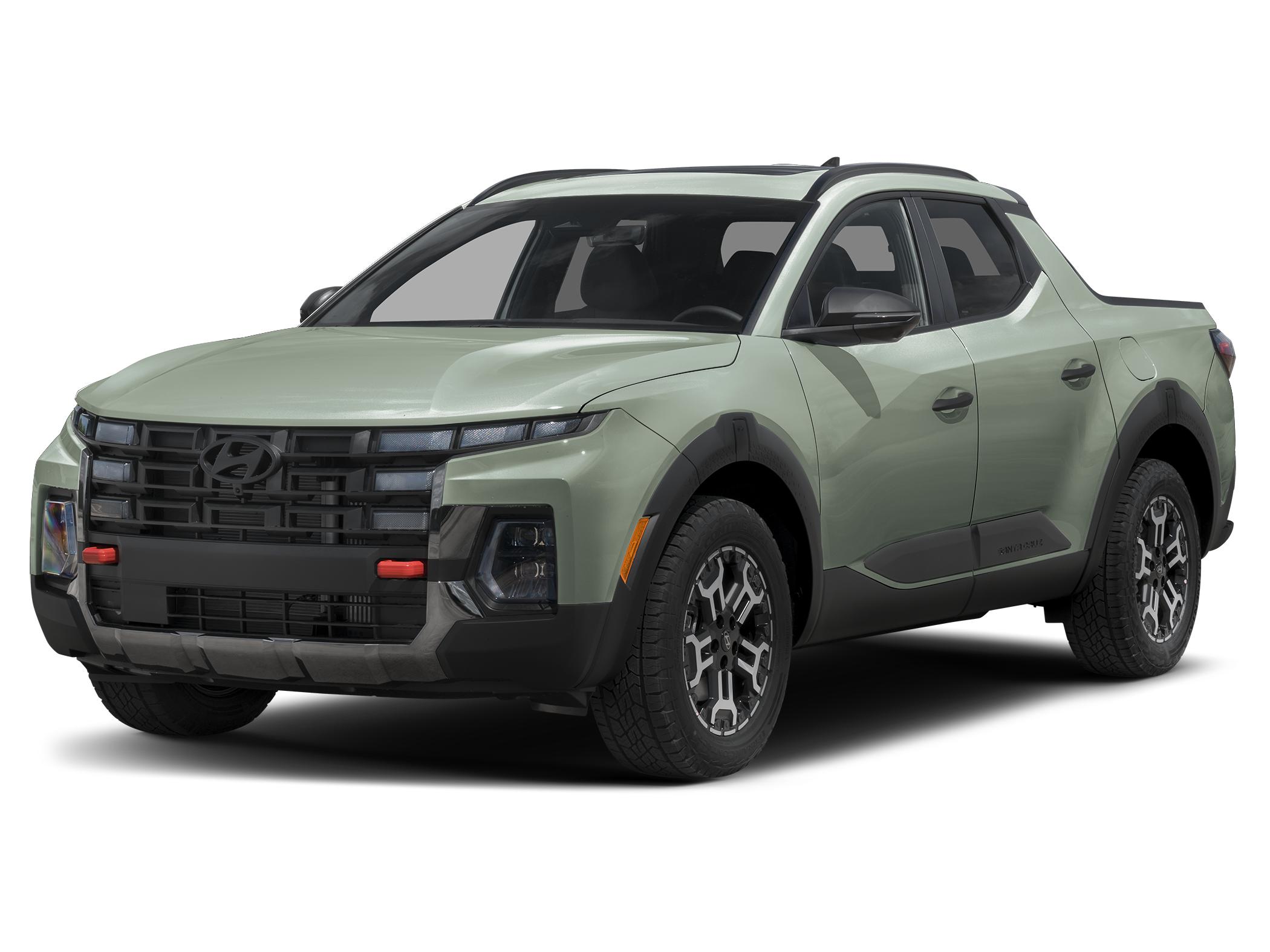
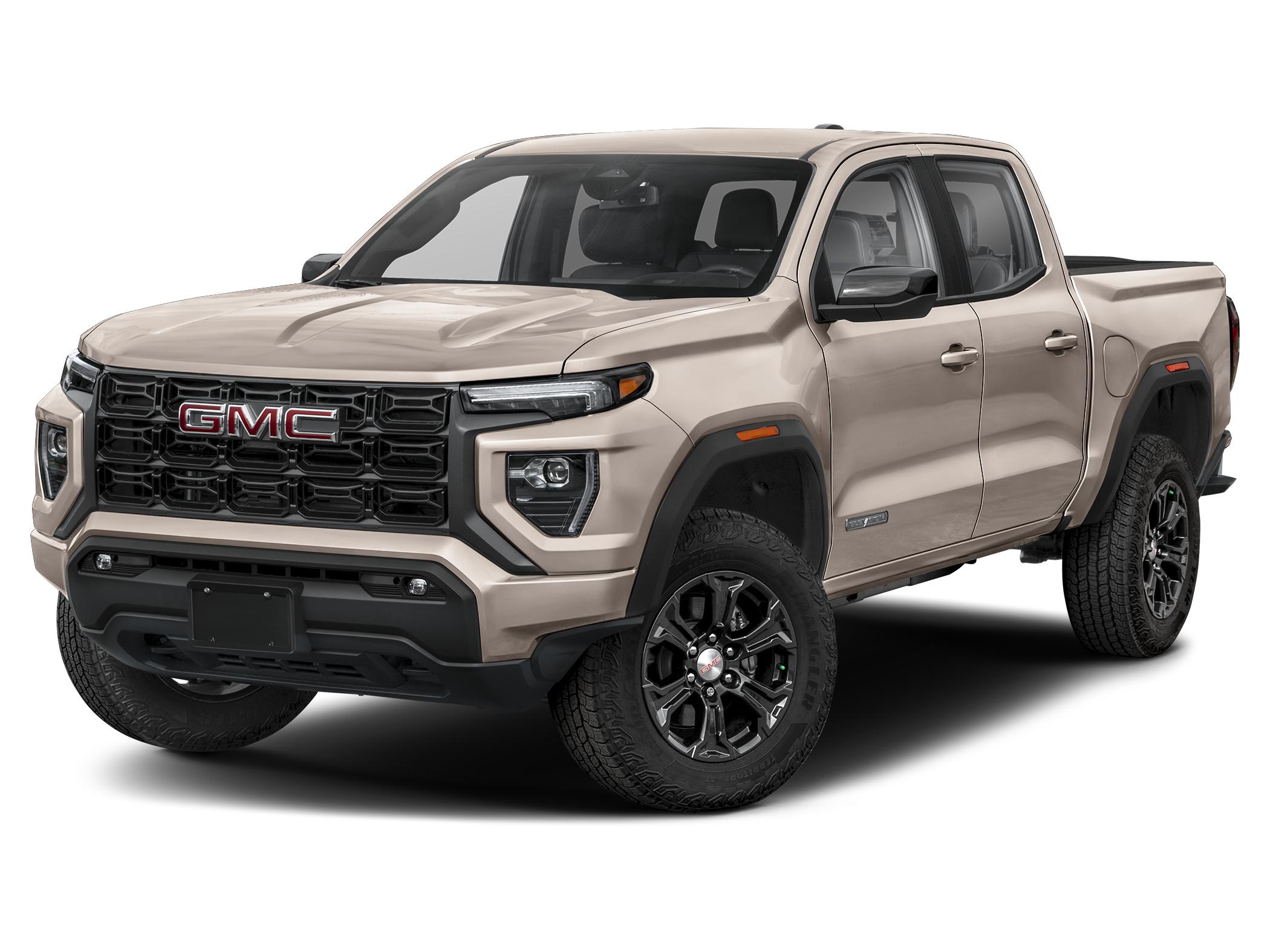
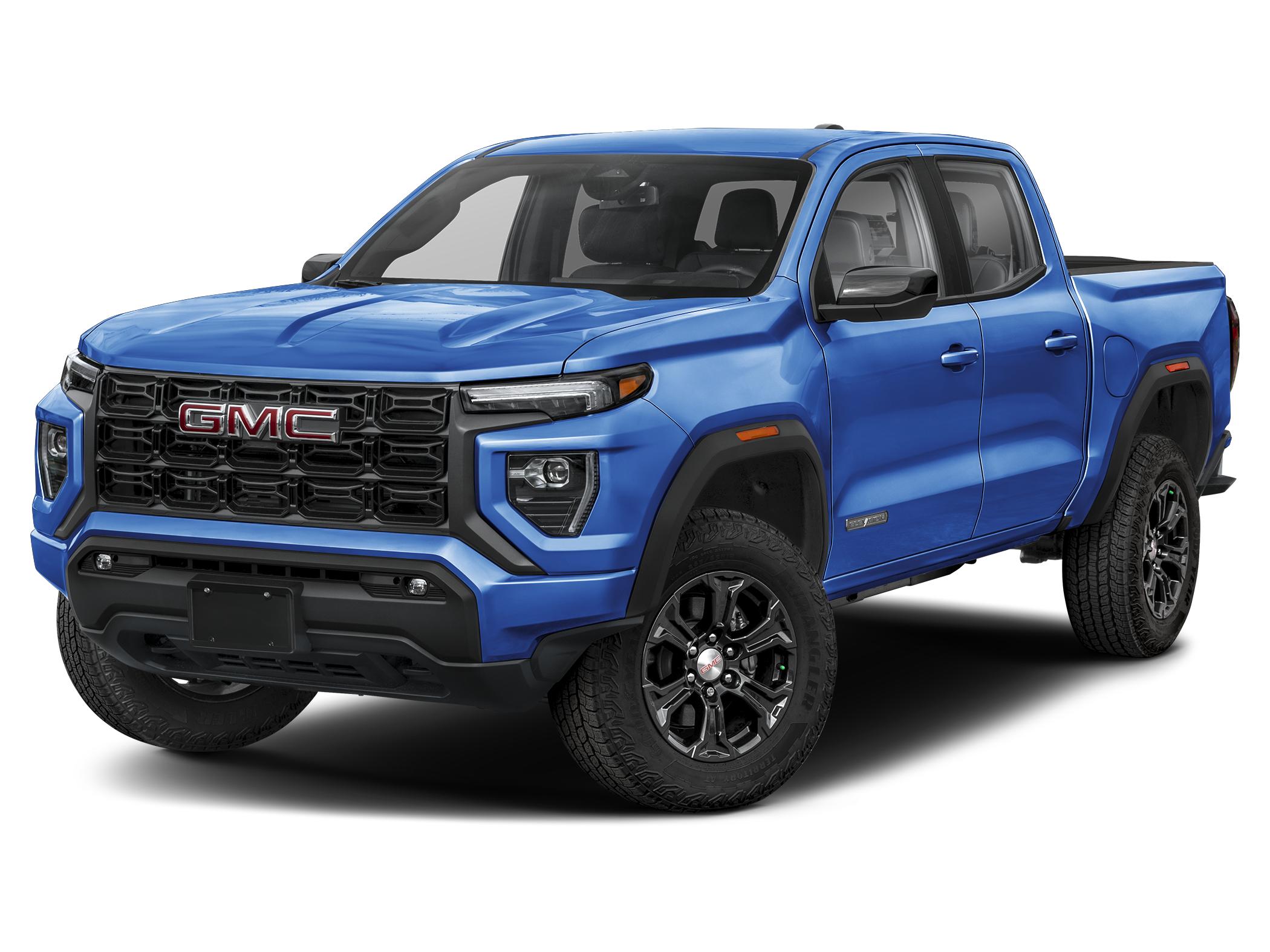
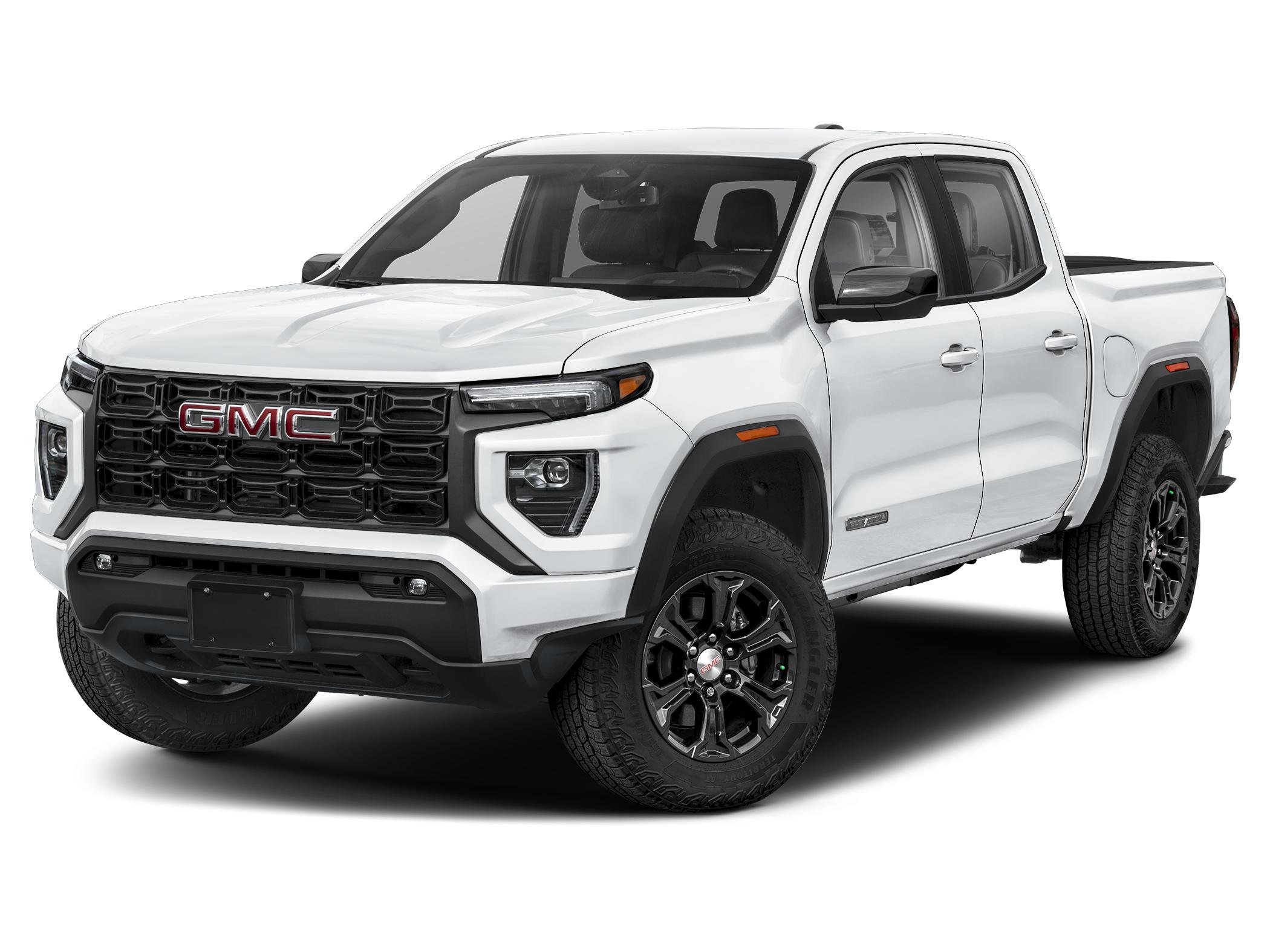
Canyon 4WD Elevation
The bottom line
Santa Cruz XRT
For shoppers on this Santa Cruz site, the Santa Cruz XRT is our pick over the Canyon 4WD Elevation.
What could change this: If more power matters most, the Canyon 4WD Elevation is the better fit.
On verified numbers, the 4WD Elevation leads in horsepower and torque.
The full picture
By the numbers
These are the figures most shoppers weigh first — price, power, efficiency, and room — with the full specification table below.
| Specification | Santa Cruz XRT | Canyon 4WD Elevation |
|---|---|---|
| Starting MSRP | $42,775 | $42,200 |
| Horsepower | 281 hp | 310 hp |
| Torque | 311 lb-ft | 430 lb-ft |
| Combined MPG | 20 mpg | 19 mpg |
| City MPG | 18 mpg | 17 mpg |
| Highway MPG | 25 mpg | 22 mpg |
| Bed volume | 27 cu ft | 41.9 cu ft |
| Seating | 5 | 5 |
| Drivetrain | All Wheel Drive | Four Wheel Drive |
| Transmission | 8-Speed Automatic w/SHIFTRONIC | — |
Make the call
Best for:
Best for:
Good to know
The questions shoppers ask most when weighing these two — answered with the verified facts.
Value comes down to the details. The XRT and 4WD Elevation are closely matched on price: $42,775 vs $42,200. Weigh the standard equipment each includes, their fuel economy, and the features you'll genuinely use. The Santa Cruz XRT leans a little more upscale inside. Cross-shop comparably equipped trims and let local incentives settle it.
"Nicer every day" is about the things you touch on every drive — the seats, the controls, and the screen. The Santa Cruz XRT has the edge here, with leatherette upholstery, heated front seats, a moonroof, and a Bose sound system that make the daily routine feel a notch more special. Comfort is personal, though: seat shape, driving position, and how intuitive the controls feel to you matter more than any feature list. Spend ten minutes in each on a route like your real commute — that test drive will tell you more about daily livability than any spec comparison.
We don't publish a feature-by-feature equipment comparison for this exact pairing, so we won't claim either way. Use the verified specifications and the verdict above — those come from confirmed data — and check each manufacturer's build-and-price tool for the equipment on the exact XRT and 4WD Elevation you're considering. Equipment also moves with option packages and model year, so the trim you drive may not match a general list. A back-to-back test drive of the two specific cars you're shopping is the reliable way to see what one offers that the other doesn't.
High annual mileage puts the spotlight on running costs, and that's mostly about fuel. Beyond fuel, a high-mileage driver should weigh seat comfort for all those hours and each model's reliability record — worth checking current ratings for the specific trims, since it matters most when you're piling on miles. If your year is mostly highway commuting, lean toward the more efficient, more comfortable choice; the small differences compound over 15,000 miles in a way they wouldn't for a light-use second car.
On materials and appointments, the Santa Cruz XRT leads — it offers leatherette upholstery, heated front seats, a moonroof, and a Bose sound system, which lifts the everyday feel of the cabin. Interior preference is partly personal — dashboard layout, seat shape, and where the controls fall all factor in — so the best test is to sit in both. If a richer, more feature-laden cabin matters to you, the Santa Cruz XRT is the one to start with; if you mainly want a comfortable, sensibly-arranged space, either will serve you well day to day.
For most shoppers, the right pick follows your priorities rather than a single score. If cabin comfort and features top your list, the Santa Cruz XRT makes a strong case; Use the verdict above as the starting recommendation, then confirm it with a back-to-back test drive of the exact trims you're considering.
Find local inventory, pricing, incentives, and available trims near you.
Updated inventory from local dealers.